

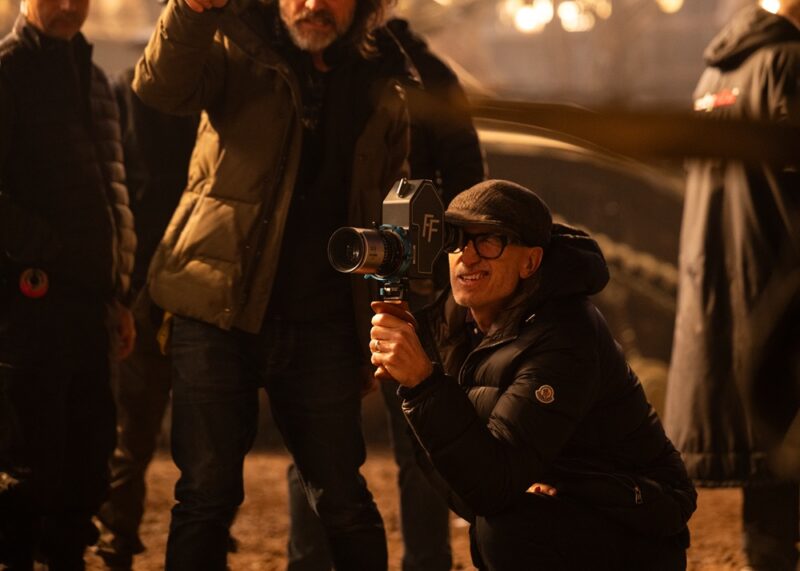
One of the most striking things about Supergirl is how fully realised its universe feels.
The latest entry in DC Studios’ growing cinematic universe doesn’t simply introduce audiences to new characters and planets; it presents entire cultures that feel as though they’ve existed long before the camera arrived. Watching the film, there’s a sense that every costume, every building and every social interaction is part of a much larger history that remains largely unseen.
For director Craig Gillespie, that level of detail came from approaching world-building less as production design and more as anthropology.
“It was consistent all the time,” Gillespie told our Peter Gray. “It was like, ‘What’s happened on this planet in the past? What have they been through? Where are they in society?'”
Those questions informed everything from architecture to class structures. Gillespie explained that conversations frequently extended beyond what appeared on the page, with the creative team exploring how characters lived, worked and existed within their societies.
“If they’re on the 23rd floor, they’re doing well,” he said. “The size of their apartment versus the civilians down below. There was a whole conversation about what (Supergirl’s father’s) job is, what kind of government work he’s involved in, and how much weight he has.”
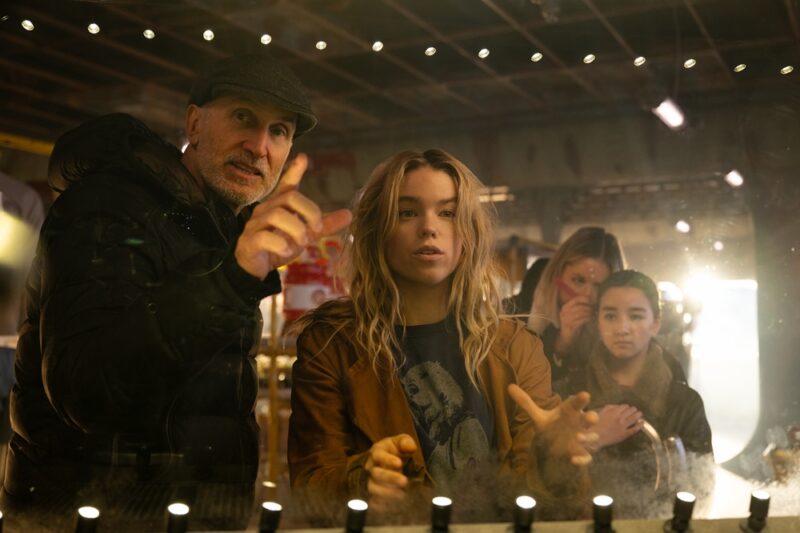
The attention to detail extended beyond visual design. Early in development, Gillespie made the decision to introduce Kryptonian language into the film, despite it not being specified in the script.
“I decided I wanted to have languages in this film,” he said. “Some of the actors were like, ‘Seriously? We have to speak in Kryptonian?'”
What began as a creative flourish soon evolved into a larger exploration of how different societies communicate. Gillespie and his team examined how history, geography and culture would influence language, creating distinct identities for different communities throughout the film’s world.
“What kind of language is it?” he recalled asking. “Is it more dramatic and guttural? Is it more flowery? Each place had its own style, and it reflected what that culture had been through.”
Entire regions were imagined with detailed backstories. Some communities were prosperous and influential, while others were conceived as places shaped by hardship and conflict. Those histories then informed everything from clothing design to colour palettes and environmental aesthetics.
“Was it a poverty-stricken area that’s been ravaged by marauders coming in and taking things?” Gillespie said. “Then you’re designing all of their clothes and deciding if they’re more colourful, whether it’s more of a desert area. It was an enormous amount of work that I didn’t quite anticipate.”
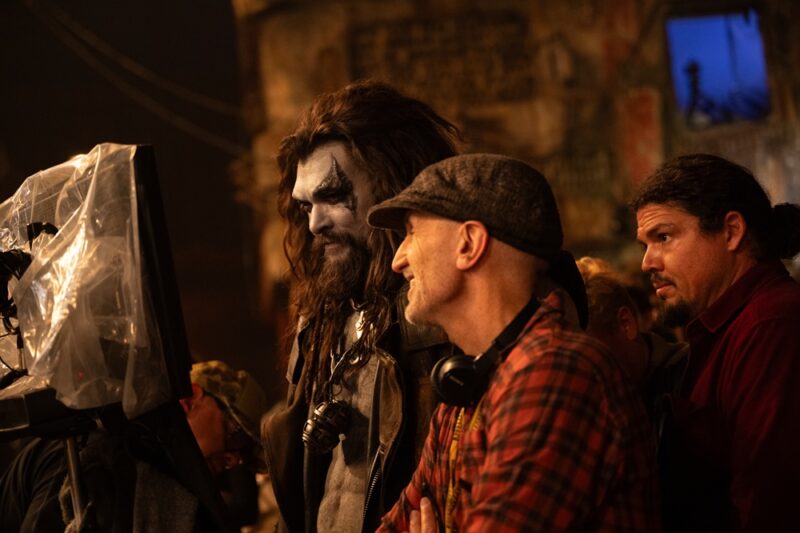
The result is a superhero film that feels refreshingly distinct. While Supergirl undoubtedly delivers spectacle, it’s the depth beneath the surface that leaves a lasting impression. Every location feels inhabited. Every culture feels lived-in.
It’s also another encouraging sign for the direction of the new DC Universe. Following Superman, Supergirl feels unafraid to embrace its own identity, allowing its filmmakers to bring unique perspectives to familiar mythology. Anchored by a standout performance from Milly Alcock and supported by the arrival of Jason Momoa’s long-awaited Lobo, the film charts its own path rather than simply following established superhero formulas.
If audiences connect with the world of Supergirl, it’s because Gillespie and his team spent countless hours imagining the parts they would never see. The apartments, the languages, the governments and the histories all exist beneath the surface, creating a universe that feels authentic rather than assembled.
And according to Gillespie, that’s exactly the point.
