

Before we get into the deeper questions, I wanted to ask, because at the beginning of the film there’s that text scroll that feels very Star Wars. During the pandemic, when everyone was watching all kinds of things, was there a comfort movie for either of you? Or something you discovered for the first time that you were glad to watch?
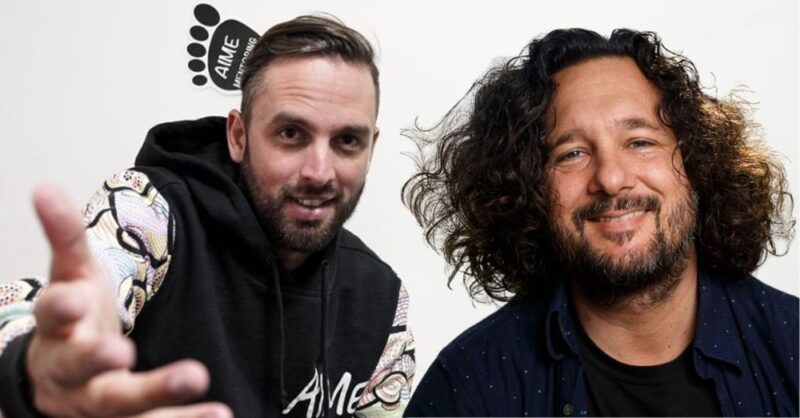
Tyson Yunkaporta: Oh man, I wish I could say it was an Indigenous film, but it was The Big Lebowski.
Jack Manning Bancroft: Towards the end of the pandemic, I found Midnight Gospel, the TV series. It actually inspired a lot of our thinking with layering Tyson’s podcast into the animation once the story was created. I loved watching it because, for the first 25 minutes of the first episode, I was like, “What is going on?“ And my brain was so happy to be taken apart and put back together. I really enjoyed that series.
The film begins in a familiar, hyper-connected world – overwhelmed by social media and technology – before transitioning into fantastical realms. How did you approach visualizing and dramatizing that sense of disorientation and anxiety in a way that still feels relatable?
Jack Manning Bancroft: It was deeply collaborative. The animation team had to believe in their own artistry. The script was co-written by many people, so the story arcs were already layered with ideas. For example, in Kim’s bedroom, our EP Mark Grentell incorporated paintings from a gallery we all painted together. My mum’s paintings, too, the painting that opens the film, for instance. We built the frames together through trial and error.
Even the early screenings were rough. At Brisbane International Film Festival, the first version we shared wasn’t finished – no music in the first two minutes. It was uncomfortable, but it helped us learn the balance and finesse the little details that make the final product work.
Dream sequences and encounters with spiritual guides, elders, and mythical figures punctuate Kim’s journey. How did you balance Indigenous knowledge, ancestral wisdom, and universal storytelling in these sequences, respectfully and meaningfully?
Jack Manning Bancroft: Tyson can explain this better, but the approach was simple: go to founder knowledge. Tyson is a practiced academic, with verified sources from systems thinkers. We used recordings of that knowledge, making it a foundation for the narrative.
Tyson Yunkaporta: In our culture, elders don’t just give wisdom straight away; they offer hints and encouragement, guiding you along the path. For Kim, the wisdom in the first half of the movie is about perseverance: “Keep paddling, keep going.” Then, toward the end, there are four words that tie it all together. We combined Indigenous methods with wisdom from around the world – Vikings, Hungarian Tamil samurai — creating a vast, unlikely, but meaningful tapestry.
Jack Manning Bancroft: Indigenous knowledge is often about how you view the world, not what you’re told. That lens helps contextualize the broader human knowledge we integrate in the film.
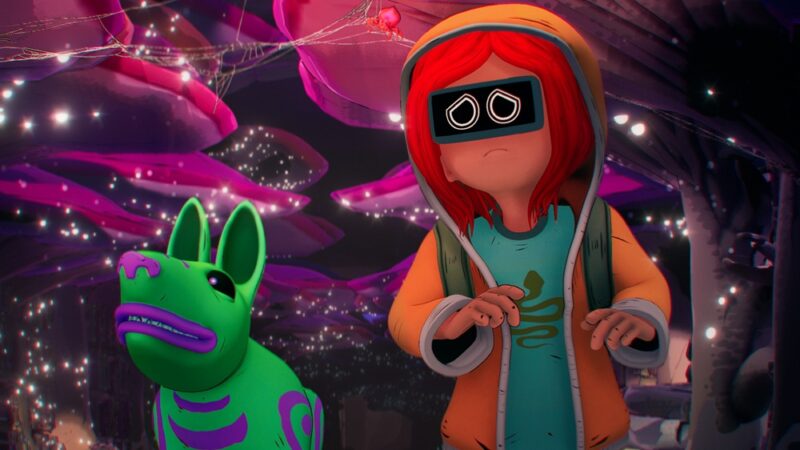
The adventure includes allegories like fascist pirates. Are these drawn from real-world social, political, or environmental struggles?
Jack Manning Bancroft: Absolutely. Everything now is about confronting oppressive forces. The idea came from discussions about the rise of fascism. We imagined fascist rats attacking characters as a way to translate real-world threats into narrative stakes, anchored in research about human systems and orientation.
Tyson Yunkaporta: Rune, our Viking character, also brought in personal experiences of reclaiming his culture from symbols misappropriated by Nazis. Through an Aboriginal lens, actions are right when they strengthen relationships and relatedness.
The film premieres around a time of reflection on Australia’s identity and national holidays. How does Imagine act as a conversation starter for social questions?
Jack Manning Bancroft: It’s a design text, an invitation to build the systems we need. It’s about expanding imagination, especially among leaders. By showcasing big storytelling and offering new perspectives, the film encourages people to think expansively about the planet, social systems, and collective action.
How do you measure success for a film like this? Through artistic achievement, social impact, or something else?
Jack Manning Bancroft: I want it to change the planet. This is a Trojan horse: if it inspires people to expand their imagination, take bravery, and engage with knowledge holders, then it succeeds. Even if only a few people see it, if they’re leaders who influence change, that’s impactful.
Tyson Yunkaporta: We’re showcasing Indigenous methods of diplomacy, bringing people together, sharing stories, and creating shared narratives for collective change. It’s ambitious, but that’s how we hope to measure success.
Imagine will release in Australian theatres for special event screenings on January 26th, 2026.
