

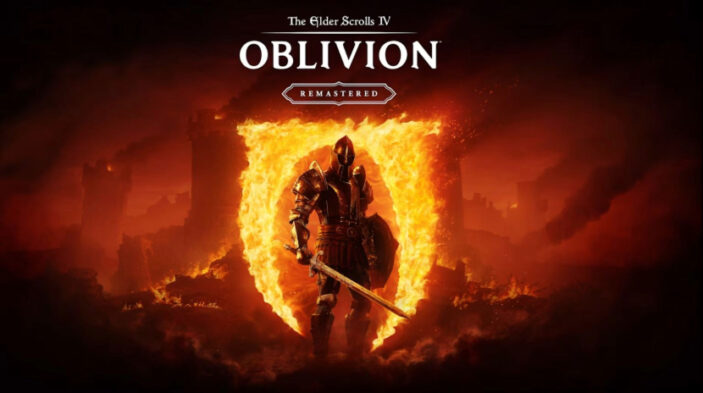
After nearly two decades, The Elder Scrolls IV: Oblivion has returned, not with a sequel or a reboot, but with a remastered glow-up that breathes new life into one of Bethesda’s most endearing RPG titles thus far. This updated version, rebuilt in Unreal Engine 5 by the team at Virtuos, doesn’t reinvent the wheel, but it certainly makes the ride smoother. And faster. And a whole lot prettier.
Make no mistake: this is still Oblivion, warts and all. As proven by an immediate crash in the opening dungeon. But with revamped visuals, a snappier UI, a long-overdue sprint button, and a rebalanced (albeit still imperfect) levelling system, the remaster makes a strong case for why Cyrodiil remains one of the most charming open worlds ever created. Destroying my social life and racking up nearly 90 hours, I’m still not done.
A Refined Kind of Chaos
For those unfamiliar, Oblivion is a sprawling fantasy RPG set in the heart of Tamriel, where you play a prisoner-turned-hero racing to prevent a demonic invasion. Along the way, you’ll complete quests, rise the ranks in multiple guilds and uncover the wider conspiracy at the core of Oblivion’s narrative. And like any good RPG, you’ll often find yourself lost in side quests that feel like their own smaller but complete story all to themselves.
Polished but Not Perfect
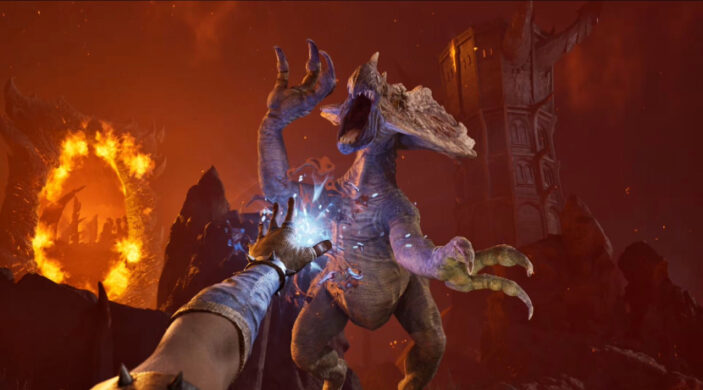
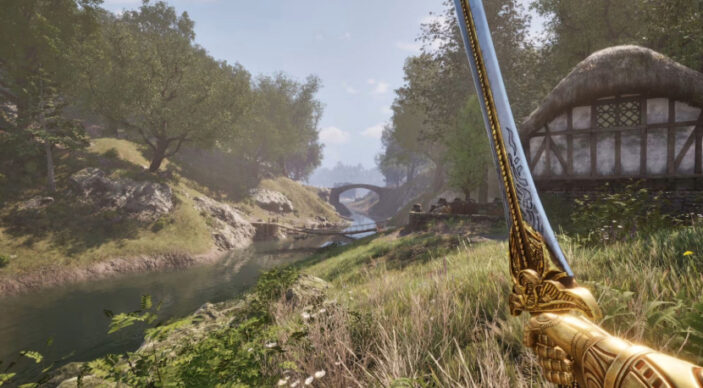
The graphical overhaul is the most immediately noticeable change, and it’s an impressive one. Landscapes are lush, lighting is dramatic, and environments stretch out far beyond what the original could manage. Character models, however, are hit or miss. Many NPCs still look like they’ve wandered in from the uncanny valley, and the occasional cross-eyed stare or mannequin grin adds a touch of unintentional humour (or horror) to the gameplay.
Performance is generally solid, though not flawless. I encountered a few technical hiccups and some of the classic jank in my playthroughs. The game crashing in the opening dungeon was an early warning that this is still, after all, a Bethesda title. However, from that point, I rarely had my experience disrupted. In the original game, I hard-locked myself several days of play deep, and had to restart the entire game from the beginning thanks to a timed glitch and poor save choices. Luckily, I had no such issues this time around.
The developers here clearly made smart decisions about what to modernise and what to preserve, striking a balance that respects the original without feeling entirely shackled to it.
Systems: The Good, the Bad, the Oblivion
One of the most welcome changes is the revised levelling system, which fixes a lot of the pain points from the 2006 original. The original’s notorious levelling system meant you could accidentally make the game harder for yourself by essentially levelling “wrong”.
Levelling was tied to your Major Skills, and essentially, if you didn’t micromanage it all perfectly and you weren’t maximising your points, the game could become brutally unbalanced fast. The remaster scraps that rigid system in favour of Virtue Points and a more forgiving structure, giving you the breathing room to build your character how you want, without feeling punished for playing naturally. Progression now feels more in line with modern RPGs, rewarding you for using skills rather than punishing you for focusing too much on your strengths.
Still, enemy scaling remains a sore spot. While tweaks have made it less punishing, the core issue persists: world enemies level with you, which means mid- to late-game battles can feel oddly disconnected from the typical late-game power fantasy. Getting knocked around by bandits in high-tier gear can be an immersion breaker and devalue the sense of progression.
Narrative Nostalgia
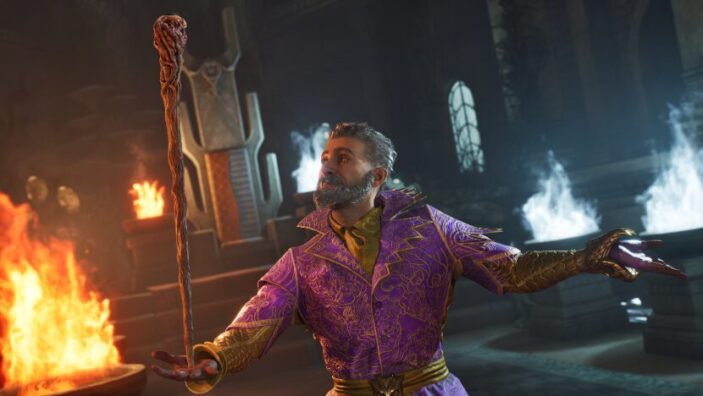
Despite its quirks, Oblivion tells some of Bethesda’s best stories. The faction quests are standouts, with the Dark Brotherhood arc in particular remaining a masterclass. Even the main quest, bolstered by a surprisingly affecting performance from Sean Bean, holds up far better than expected.
While not every NPC is memorable and some dialogue remains stilted, the world’s personality more than compensates. Oblivion has a sense of humour and oddball charm that’s missing from many modern RPGs, and it’s part of what makes returning to Cyrodiil so unique and enjoyable.
Final Thoughts
The Elder Scrolls IV: Oblivion Remastered isn’t a reinvention, it’s a full restoration. The improvements make the game far more accessible without gutting the quirks that gave it character in the first place. Yes, there are still annoyances. The enemy scaling isn’t fixed. The faces are still weird, and you may break the game with a home-brewed spell. But in a way, that’s what makes Oblivion special.
It’s messy. It’s brilliant. It’s fun.
If you’re returning to Cyrodiil after years away, this remaster will likely feel like a dream, and one you can run in right now. If you’re stepping through the Oblivion gates for the first time, as one guard might say, “Then pay with your blood.” Or, y’know, just enjoy the ride, for the Emperor, of course.


FOUR AND A HALF STARS (OUT OF FIVE)
Highlights: Revamped visuals; Improved UI; Rebalanced levelling system; Endearing questlines and faction arcs
Lowlights: Enemy scaling still frustrating; Facial animations remain awkward; Occasional bugs and crashes
Developer: Virtuos (Remaster) / Bethesda Game Studios (Original)
Publisher: Bethesda Softworks
Platforms: PlayStation 5, Xbox Series X, PC
Available: Now
Review conducted on PlayStation 5 with a pre-release code provided by the publisher.
