

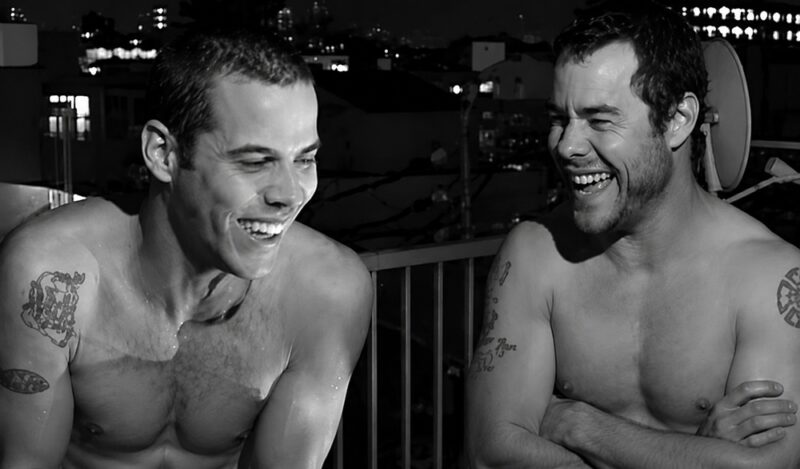
For all the moral panic that surrounded Jackass in the early 2000s – the think pieces about stupidity, the copycat fears, the handwringing over masculinity run amok – the franchise has quietly aged into something far more fascinating than anyone could have predicted. Rewatch it now – which you may well do in the lead-up to next month’s Jackass: Best and Last (in theatres from June 25th) – and beneath the shopping cart crashes, stapled body parts and weaponised bodily fluids lies one of the most surprisingly sincere depictions of male friendship ever put on screen. More than that, Jackass stands as an accidental manifesto for positive masculinity, a deeply queer-coded celebration of intimacy between men, and perhaps mainstream pop culture’s most committed example of unironic homoeroticism.
That sounds ridiculous until you actually watch it.
Because what separates Jackass from the hyper-aggressive lad culture it was superficially grouped with is that the franchise was never really about dominance. It was about vulnerability.
These men are constantly scared. Constantly hurt. Constantly crying. Constantly embracing each other.
Johnny Knoxville’s grin was always the key to understanding the entire project. There’s no macho posturing to him. He never tries to appear invincible. Half the comedy comes from the fact that everyone involved openly acknowledges how terrified they are before doing something catastrophic. Steve-O screams. Wee Man panics. Chris Pontius practically builds an entire comic persona around gleeful nudity and flamboyant absurdity. Bam Margera weaponises emotional chaos but also desperately seeks affection and approval from the people around him. Danger Ehren’s entire existence within the group dynamic is rooted in his visible sensitivity.
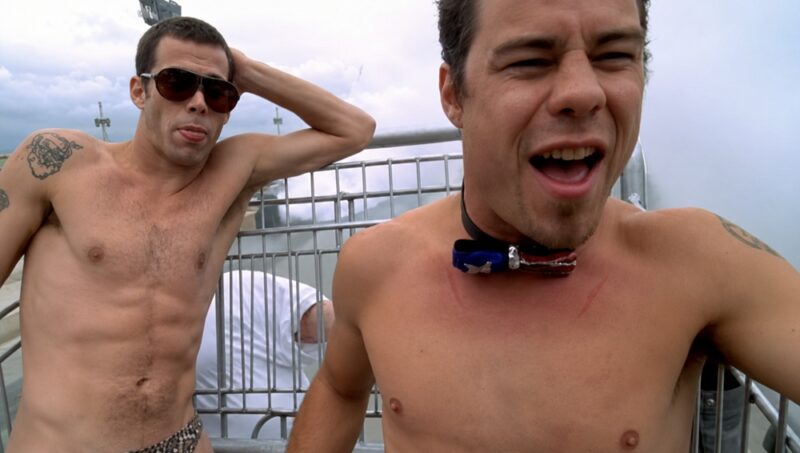
These aren’t stoic action heroes suppressing emotion. They’re men performing fear, pain, affection and humiliation publicly and without shame.
And crucially, they do it for each other.
The Jackass movies are built around trust. Absolute trust. You cannot launch yourself into danger, hand your friend a taser, or agree to be bitten by snakes unless there is genuine care underneath it all. What’s remarkable is how openly that care is expressed. The cast hug constantly. They cradle each other after injuries. They kiss each other on the mouth as punchlines so frequently that eventually the joke dissolves and it simply becomes part of their language of affection.
There is an extraordinary amount of physical intimacy in Jackass, especially for a franchise marketed to straight young men in the early 2000s. The series is obsessed with the male body – not in the sculpted, power-fantasy way of superhero films, but in a messy, exposed, vulnerable way. Bodies are naked, bruised, penetrated, humiliated, decorated, dressed up and put on display. The films repeatedly dismantle the idea that masculinity must be controlled, composed or emotionally distant.
Chris Pontius alone feels like a walking challenge to heteronormative masculinity. Party Boy – dancing in a thong while grinding on unsuspecting strangers – is one of the most queer-coded recurring bits ever smuggled into mainstream MTV culture. Not because Pontius is explicitly queer, but because the performance itself gleefully destabilises masculine expectations. He weaponises flamboyance. He turns camp into confrontation.
And then there’s the homoeroticism – impossible to ignore, yet fascinating precisely because it is never treated as threatening.
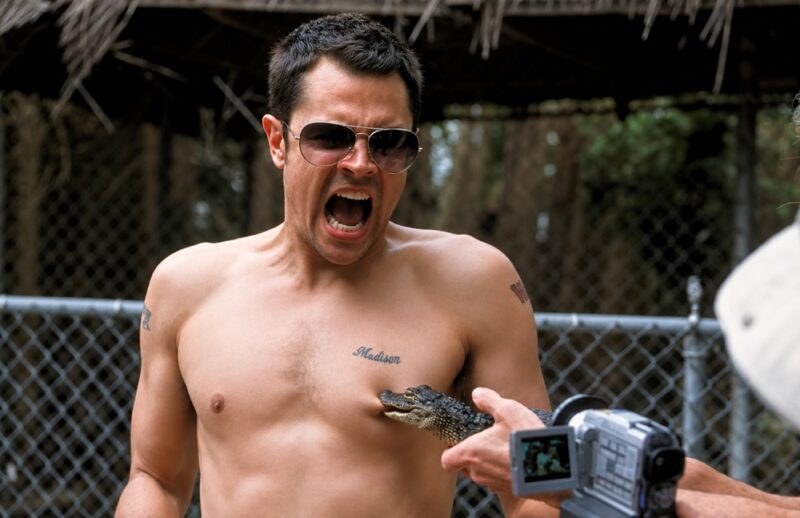
Modern audiences often forget how rigid mainstream masculinity was when Jackass emerged. American pop culture was saturated with casual homophobia. Men touching each other was routinely framed as weakness or deviance. Yet here was a globally successful franchise where men constantly interacted with each other in overtly sexualised, physically affectionate ways. Penis puppetry became recurring visual language. Entire sketches revolved around fake erections, simulated intimacy, cross-dressing and elaborate nudity gags.
But what makes it compelling is that the homoeroticism never feels defensive.
There’s no “no homo” energy hanging over Jackass. No anxious reassurance that everyone involved is still masculine enough afterwards. The cast seem completely comfortable existing inside that ambiguity. The joke isn’t “being gay is bad.” The joke is often simply that bodies are weird, sexuality is performative, and embarrassment itself can be transcended through communal chaos.
In hindsight, Jackass feels weirdly progressive because it rejected the emotional constipation traditionally associated with male bonding. Compare it to the aggressively heterosexual comedies of the same era – films obsessed with “scoring,” dominance and humiliation. So much early-2000s masculinity was rooted in hierarchy. Jackass operates more like a commune.
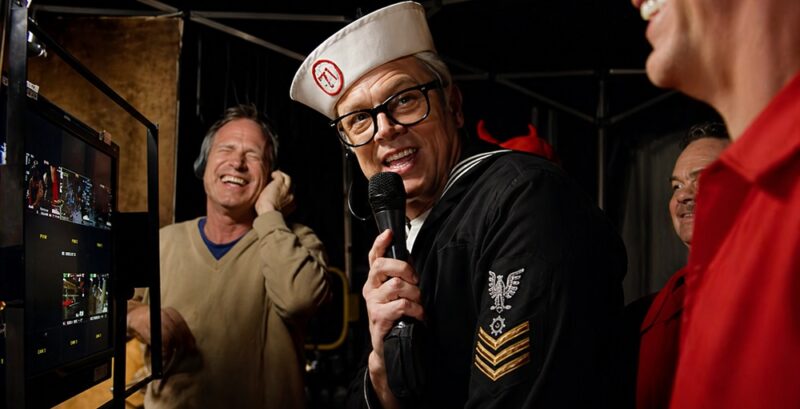
Nobody wins in Jackass. Everyone suffers equally.
And maybe that’s why it endures.
Underneath all the concussions and vomit is a surprisingly utopian vision of male friendship: emotionally available, physically affectionate, unguarded, ridiculous and built around mutual trust rather than competition. The franchise accidentally revealed that masculinity becomes far healthier when men stop worrying about appearing masculine in the first place.
For a series once dismissed as brainless chaos, Jackass now feels almost radical. A bunch of men loved each other openly, expressed affection physically, embraced vulnerability publicly, and turned homoeroticism into comedy without cruelty or fear.
And somehow they did it all while getting shot out of cannons.
Jackass: Best and Last is screening in Australian theatres from June 25th, 2026, before opening in the United States on June 26th.
