


There’s something deliciously ironic about the fact that, in an age obsessed with spoilers, audiences are flocking to stories where many already know the ending.
Prime Video’s “Crime On Prime” slate isn’t just ambitious – it’s strategic. With adaptations of novels by James Patterson, Patricia Cornwell, Sir Arthur Conan Doyle, and Catherine Ryan Howard launching in rapid succession, the platform is leaning into something the industry has quietly known for years: familiarity sells, but reinvention hooks.
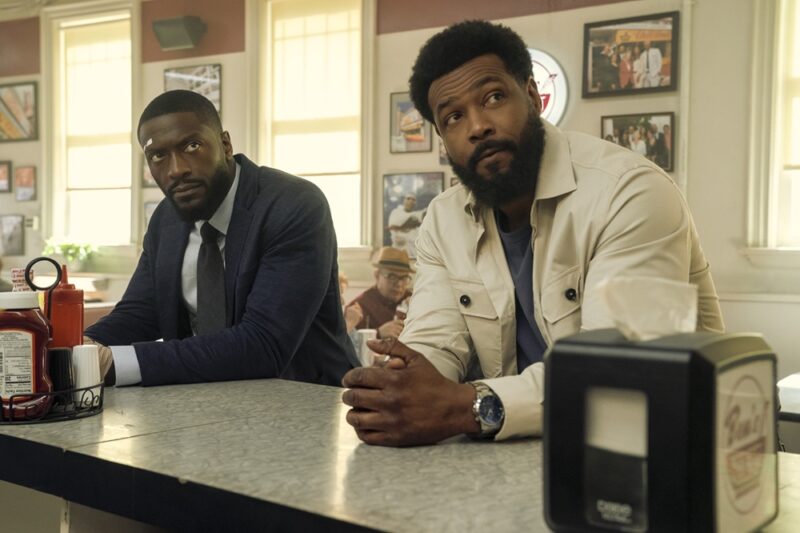
When the second season of Cross pulled in over 40 million viewers in under three weeks, it wasn’t just a win for a thriller series – it was validation of the literary pipeline. The Alex Cross novels have existed in airports and bedside tables for decades. Viewers aren’t just sampling a new show; they’re stepping into a world they already trust.
And trust is everything right now.
Reading a crime novel is an intimate act. You’re alone with the text, pacing yourself through red herrings and revelations. Watching a crime series, however, is communal. It’s social media speculation, weekly episode drops, casting debates, and visual spectacle layered on top of a narrative foundation that’s already proven its grip.
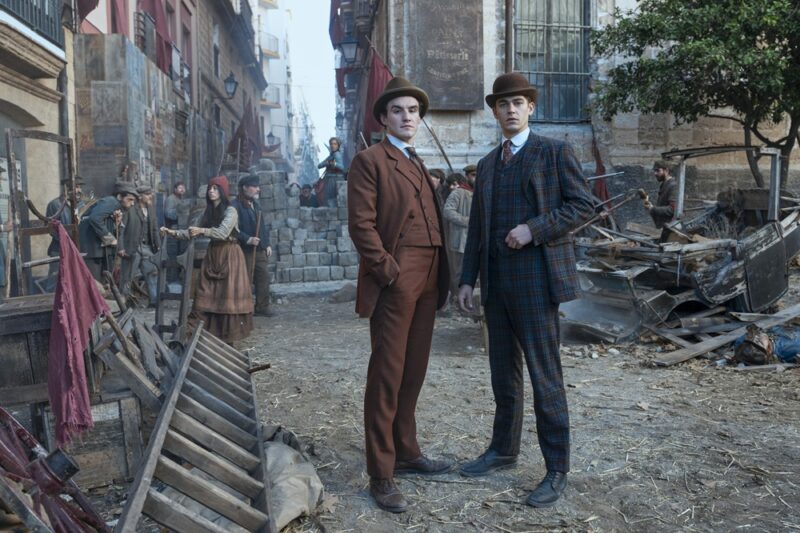
Take the forthcoming Young Sherlock (streaming from March 4th), a reimagining of the legendary detective created by Conan Doyle. Sherlock Holmes is arguably the most adapted literary character of all time, yet here comes a youthfully defiant, globe-trotting version from the vision of Guy Ritchie, and audiences are still clicking “play.” Why? Because we aren’t watching to find out who Sherlock Holmes is. We’re watching to see how this version interprets him.
Adaptations function like remixes. The melody is familiar; the arrangement is new.
That same dynamic powered the wave of young adult novels turned prestige television in the last decade – from dystopian sagas to supernatural romances. Audiences who once dog-eared pages now binge episodes. The emotional investment was already there; the screen simply amplified it.
Crime fiction is particularly ripe for adaptation because it’s elastic. Its central tensions – justice, morality, corruption, obsession – are timeless, but its settings and protagonists evolve with cultural shifts.
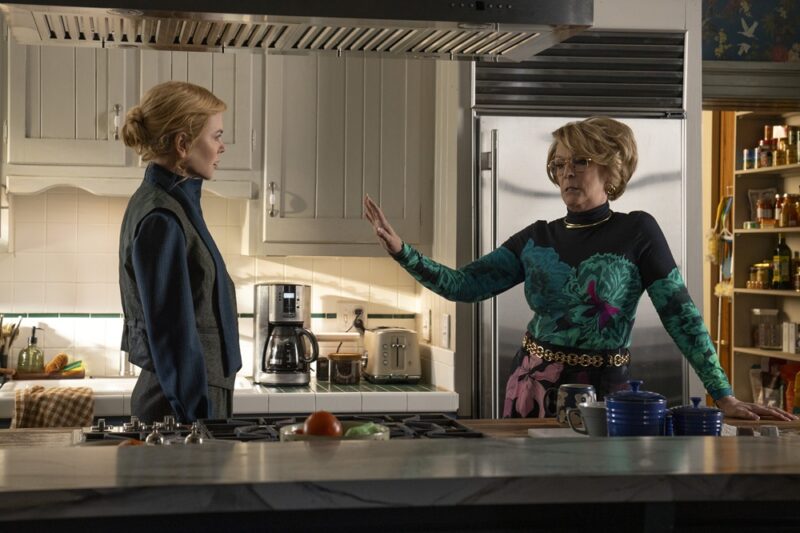
Look at Deadloch, the Australian outback noir that returns for a second season. What could have been a traditional whodunnit becomes something sharper: female-led, tonally playful, regionally specific. Or Nicole Kidman stepping into the forensic intensity of Patricia Cornwell’s Kay Scarpetta in the aptly titled Scarpetta – a character long revered on the page, now given physicality and gravitas onscreen.
These aren’t dusty library transfers. They’re recalibrations.
Audiences aren’t simply revisiting stories; they’re reassessing them through a contemporary lens – stronger female anti-heroes, morally complex investigators, global conspiracies that mirror real-world anxieties.

This isn’t limited to crime.
The enduring appeal of ‘Wuthering Heights’ continues to inspire new screen iterations because each generation finds a different obsession within it. The brooding romance that scandalised Victorian readers morphs into something sensual, gothic, or psychologically raw depending on the filmmaker’s eye.
Similarly, Shakespeare refuses to stay in his century. Modernised takes on ‘Romeo and Juliet’ or ‘Macbeth’ thrive because their themes – ambition, desire, fate – are universal. Updating the setting doesn’t dilute the text; it refracts it.
What we’re seeing now is less a trend and more a continuation of storytelling’s oldest instinct: retelling.
There’s also a pragmatic industry answer.
Streaming platforms operate in a brutally competitive landscape. An adaptation arrives with brand recognition. A bestseller sticker is essentially pre-installed marketing. Viewers scrolling through an endless interface pause when they recognise a name they’ve seen in bookstores for years.
But recognition alone isn’t enough. If it were, every adaptation would succeed. What elevates the recent wave – particularly in crime – is scale. High production values, A-list casting, cinematic direction. These projects are treated not as safe bets, but as event television.
And there’s something psychologically satisfying about watching a mystery you’ve read. You become a co-conspirator. You compare performances to your imagined versions. You anticipate the twist, or marvel when it’s altered.
It’s participatory viewing.
Ultimately, the reason crime adaptations resonate is simple: strong stories survive medium shifts.
A compelling narrative doesn’t lose potency when it moves from page to screen; it gains new textures. Music underscores tension. Editing accelerates pacing. Actors bring nuance that readers once constructed privately.
Prime Video’s “Crime On Prime” slate isn’t just capitalising on nostalgia – it’s betting on durability. If a story has already enthralled millions in print, the odds are high it can do so again with motion, sound, and star power.
In an era overwhelmed by choice, audiences are gravitating toward stories that have already proved their worth. Not because they lack imagination – but because they crave certainty wrapped in reinvention.
We may know who did it. We just want to see how.
