
The Melbourne Women in Film Festival (MWFF) is marking a major milestone in 2026, unveiling its tenth-year program with a bold and celebratory lineup championing women and gender-diverse filmmakers from Australia and beyond.
Running March 19th – 23rd across ACMI and Federation Square, the festival continues its decade-long commitment to amplifying underrepresented voices on screen. This year’s program spans world-class features, shorts, restorations, panels and workshops – an immersive showcase of storytelling that reflects the evolving landscape of Australian and regional cinema.
Festival Director Sian Mitchell describes the anniversary as both a celebration and a moment of reflection; “It’s an opportunity for us to look back at the festival’s achievements and thank the community of filmmakers, artists, audiences and volunteers who have helped this festival thrive.”
Opening Night Goes Intergalactic
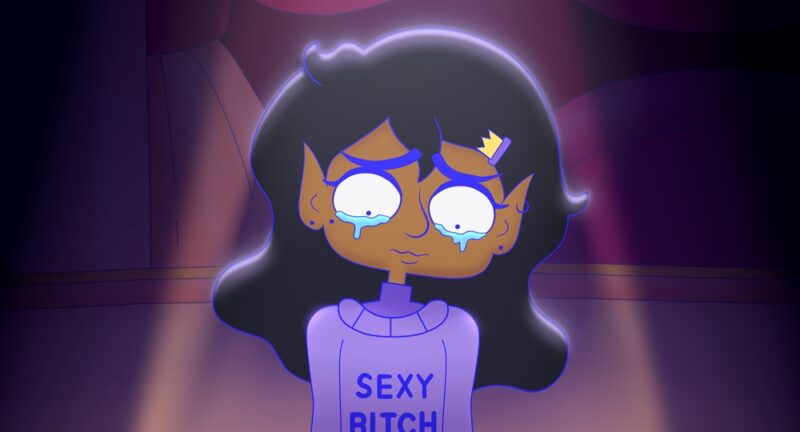
Kicking off the milestone edition is the riotously funny Lesbian Space Princess, the feature debut from Australian directors Emma Hough Hobbs and Leela Varghese. Fresh from winning the prestigious Teddy Award at its Berlinale premiere, the animated adventure follows introverted princess Saira as she travels across the galaxy to rescue her ex from a band of aliens – discovering confidence and self-worth along the way.
Absurd, vibrant and unapologetically queer, the film sets the tone for a festival that foregrounds empowerment and creative daring. Audiences will also have the chance to hear from the filmmakers in a dedicated panel exploring the journey from concept to screen.
Powerful Debuts and Restored Classics
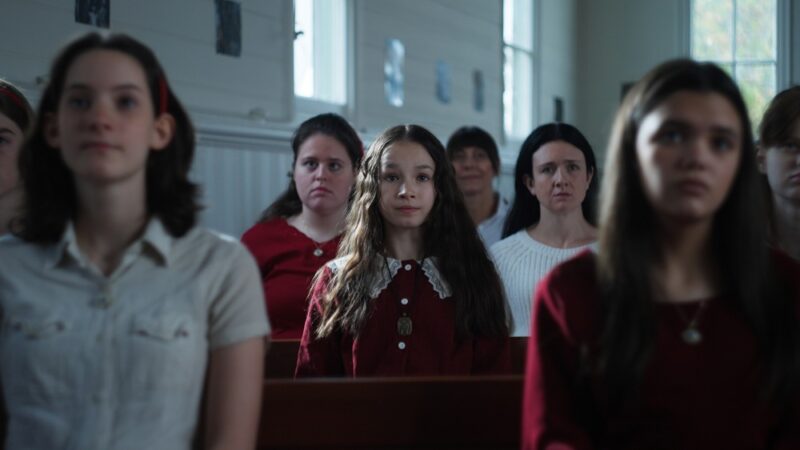
Among the standout premieres is The Offing, a psychological thriller from first-time Melbourne feature filmmakers Lily Lunder and Koko Crozier. Inspired by true events, the film follows two girls on a coastal getaway that spirals into chaos as they attempt to outrun their pasts. Remarkably, the duo began developing the project at just 18 years old, and the finished work delivers a raw, unflinching portrait of girlhood and agency.
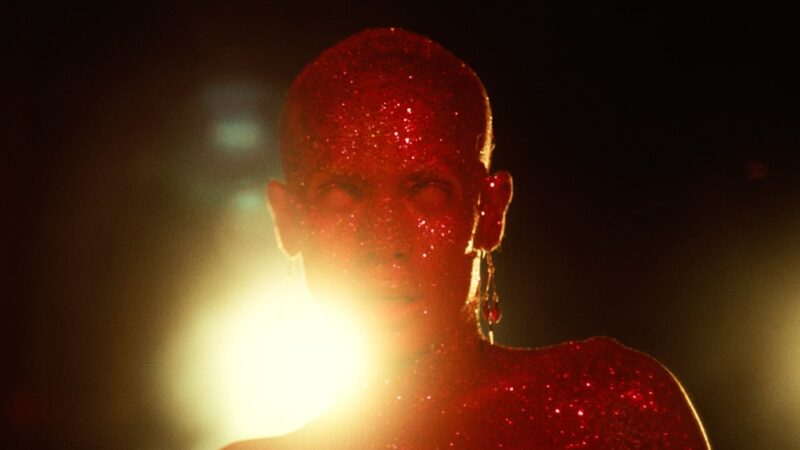
In a special 4K restoration, MWFF also revisits Jane Campion’s electrifying debut feature Sweetie (1989). Co-presented with ACMI and the National Film and Sound Archive, the restoration honours a film that disrupted Australian cinema conventions and announced one of the world’s most distinctive filmmaking voices.
Intimacy, Language and Cultural Legacy
As conversations around on-screen intimacy evolve, MWFF presents Make It Look Real: Inside Intimacy Coordination in Screen Production, a 2025 documentary by Kate Blackmore. The film follows intimacy coordinator Claire Warden as she works with actors and director Kieran Darcy-Smith on the set of Tightrope, offering insight into the collaborative and consent-driven processes reshaping production practices.
Meanwhile, Kōkā marks a major step forward for Māori language representation. The debut feature from writer-director Kath Akuhata-Brown is the first film shot in the original dialect of East Cape iwi Ngāti Porou. A lyrical road movie grounded in healing and ancestry, the film arrives at MWFF following festival acclaim, including a People’s Choice Award at Māoriland. The screening will be accompanied by the short Hokia, directed by India Fremaux.
Shorts, Industry Insight and the Next Generation
MWFF’s commitment to emerging voices continues across its shorts programming. Freshly Squeezed Shorts 1 and 2 spotlight new work from women and gender-diverse filmmakers across Australia and Aotearoa New Zealand, while Reel Shorts presents compelling documentaries from across the Moana region. Next Gen Shorts highlights rising creatives, and Homegrown closes the festival with a celebration of Victorian talent.
The festival’s Shorts Awards & Screening will honour standout filmmakers with industry prizes from Women in Film & Television Victoria (WIFT VIC), Jorr and Crayon – reinforcing MWFF’s dedication not just to exhibition, but to career development.
Beyond screenings, the festival also delivers robust industry engagement. Panels including What Happens After the Film is Made? Discoverability in Australian Screen Culture will examine the visibility of local stories in an increasingly globalised marketplace. Meet the Commissioners demystifies the commissioning process, while The Lifecycle of Film offers intimate roundtable mentorship sessions for early-and mid-career practitioners.
Supported by the City of Melbourne and VicScreen, the Melbourne Women in Film Festival’s tenth edition is both a celebration of how far it has come and a declaration of where it intends to go next.
Bold, reflective and forward-facing, MWFF 2026 reaffirms its place as a vital platform for the storytellers shaping the future of screen culture.
For tickets and full program details, visit mwff.org.au.
