

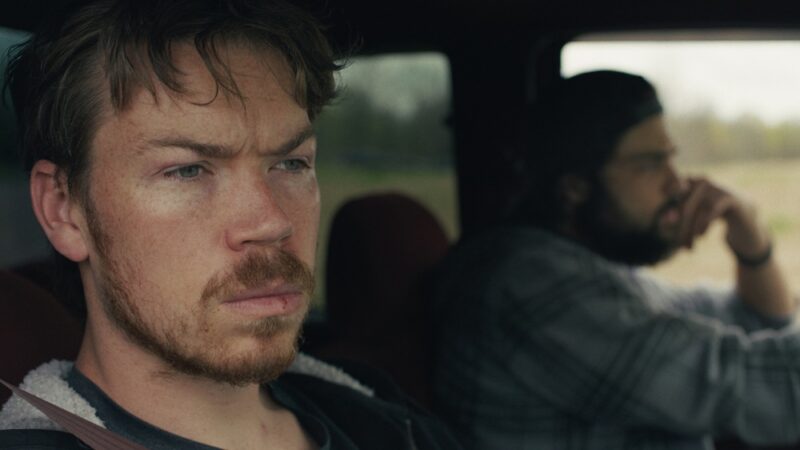
Assigned to a county-mandated drug court program, Cody Parsons begins a fragile and hard-won journey toward recovery in the shadow of the opioid crisis that continues to ravage rural Ohio. From that premise alone, Union County could have been another familiar tale of addiction and despair, but what unfolds instead is something far more tender, searching, and quietly hopeful; a film that feels less like a case study and more like an act of witness.
In his debut feature, director Adam Meeks returns to the place that shaped him, and that intimacy with his setting pulses through every frame. There is no cinematic gloss here, no sensationalism or moralising; instead, the film moves at the measured rhythm of real life, attuned to the small, incremental victories that define recovery as much as the inevitable setbacks. Meeks’ camera lingers patiently, allowing moments of discomfort, vulnerability, and resilience to breathe, trusting the audience to sit with the complexity of what healing actually looks like.
Anchoring this naturalistic approach are deeply affecting performances from Will Poulter as Cody and Noah Centineo as his enabled adopted brother, both of whom sink fully into their roles with an unshowy commitment that feels earned rather than performed; though Centineo ultimately has less to work with. Their work is further enriched by the presence of real local participants, whose faces and voices carry the weight of lived experience that no actor could convincingly replicate. This blend of professional performers and non-actors creates a rare sense of porousness between fiction and reality, making the film feel less like a dramatization and more like a window opened onto an actual community in flux.
What makes the film especially resonant is its compassionate portrayal of the Ohio drug court system – not as a bureaucratic mechanism, but as a humane, structured support network that treats addiction as a medical and social challenge rather than a personal failing. Courtroom scenes are stripped of drama, yet charged with emotional stakes, revealing how accountability and empathy can co-exist. In a cinematic landscape often dominated by stories of systemic failure, this portrayal feels quietly radical: it suggests that some systems, when built with care and dignity, can genuinely help people rebuild their lives.
Ultimately, Union County is less concerned with grand statements than with everyday truths – the courage it takes to stay sober one more day, the fragile trust between judge and participant, and the stubborn persistence of hope in a place too often written off. By the film’s closing dedication to the real recovery court participants, it’s clear that this is not merely a story set in a community, but one made with and for it.
Meeks’ film stands as a moving, deeply humane portrait of recovery that lingers long after the final frame.


