
In some capacity, we have all lived through the experience of drifting apart from a friend. While it is a normal part of growing up, it’s often unexpected and, honestly, heartbreaking. The friend who used to be your ride or die suddenly feels so far away, and it feels like there’s nothing you can do to revive the same connection you once had.
Through a guerrilla style lens, the film Fwends captures that exact bittersweet feeling of the pure excitement of catching up with a long time friend, only to realise that over time the relationship has lost a lot of its spark. Honest and raw conversations between two best friends – Em (Emmanuelle Mattana) and Jessie (Melissa Gan) – feel uncomfortably real in Sophie Somerville’s directorial debut.
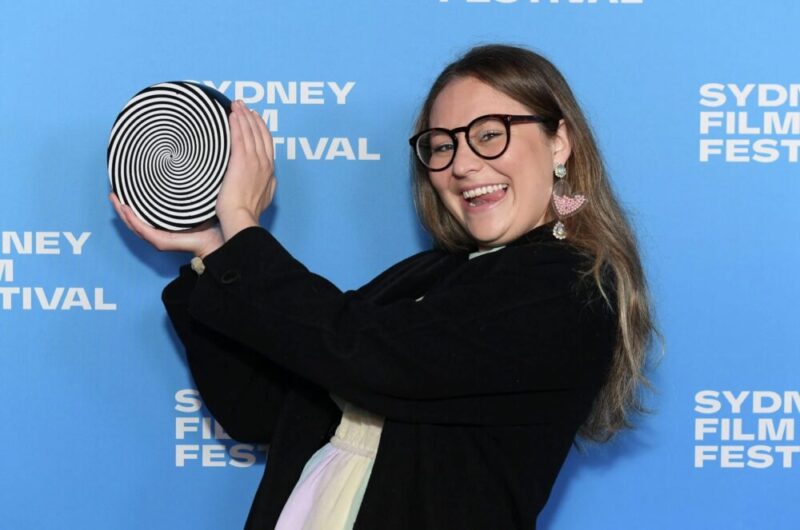
Shantelle Santos spoke to the Melbourne based writer and director about the film, the improvisation of it all, the process of filming, and of course, friendship.
Thank you for having a chat with me about this film. Firstly I wanted to say congratulations on all the accolades this film has received so far. How has it been seeing your film make the rounds at film festivals locally and internationally?
Mostly a really really fun time! When we made the film we didn’t know how it would travel and how it would be received, and it’s been so encouraging to really realise that the film, although it’s an Australia film, is also just a deeply universal, global kind of metropolitan experience that is experienced by women in that generation all over the world. So yeah, it’s been really encouraging and given us a lot of confidence for the next film!
I’ve lived in Melbourne my entire life, and I personally feel like it is a hidden gem in terms of beauty and representation in the film industry. I wanted to know your reasoning behind picking Melbourne as the backdrop, particularly the CBD?
I don’t know if this makes me a fraud or not but I moved here when I studied at the VCA, and then I met Carter Looker, who’s the producer, who also didn’t grow up in Melbourne sadly! But a lot of the way people interpret the film is that they think all these things that we decided to do were intentional choices, but honestly they came out of the fact that we were making a film with a micro budget. We had no money, so it was sort of just like “Well, we live in Melbourne and we know that these places look good on camera and we want to show them so let’s just start shooting there!” But at the same time it was made from this place of wanting to be like, let’s kind of make a love letter to the place where we live and show that any city can be cinematic, especially the Melbourne CBD.
Did you feel like the budgets restricted you while making this film?
With my filmmaking practice, the process and the decisions that I make along the way have come out of the fact of having super limited budgets. So my first short film was done with so little money and we shot it guerrilla style in a shopping centre, and it informed so much of the methodology that I used in Fwends. It was about how we can make a cinematic moment out of not having the money to pay for all this production design and all these expensive locations. The methodology of Fwends of shooting guerrilla style in the CBD came out of previous shorts I’ve made where it was very much about opening your mind to what is available already instead of focusing on what you don’t have!
How much of the film was improvised versus scripted? Did you have notes on the main beats of the story?
We sort of had a treatment document that had a very rough sketch. It would be like “Oh maybe they’ll go over there (and) maybe they’ll talk about this.” We also shot the film in order so it was a hybrid=fictional doco kind of process where it’s not so much about going “This is what needs to happen in this scene exactly,” but it’s more about going “Let’s create these characters and let’s get a really deep sense of who they are and how how they would act,” and then let’s go out into the world and let the world kind of surprise us and react to what’s happening in a way that feels in tune with the character. So it was a really, really special way of working with Emmanuelle (Mattana) and Melissa (Gan), because it was like playing pretend while filming for 10 days.
Your film perfectly captures the awkward and uncomfortable feelings of reconnecting with an old friend and navigating what that friendship means in that current moment. What inspired this concept?
This film is a two-hander, and I was like “How do I create a lot of depth out of two people interacting for a whole film?” That idea of exploring the surface of who we are and the way we inform ourselves than who we actually are. Then working with that limitation of them having only a weekend together and seeing what complexity and richness we can find through the process of improvising and working together. So when I was writing, it was this feeling of when you catch up with a friend who’s had the opposite situation in life to you, and you realise that they’re also just as unhappy, so you have this realisation of “Oh! I could fix all these surface level problems, but it wouldn’t mean that I feel any better.” It would just mean that you still have to deal with you – no matter what situation you’re in. So with Em and Jessie, even though Em has this job that Jessie doesn’t have, and Jessie has this freedom that Em doesn’t have, they both are able to exchange and heal themselves in the process of seeing each other.
It also feels like something women experience more as they’ve gotten older. Now I’m getting to points with friends where it feels like we’ve maybe stopped aligning with each other in certain ways. And there’s this idea of low maintenance friends which I feel like doesn’t really work anymore as you get older, because you actually do need to prioritise people. I feel like this movie gets that feeling. Have you gotten people sharing the same sentiments with you through this film?
Yeah, I think the most special reactions have been from women in our generation and younger, having that same realisation of how important our friendships are and how you do actively need to prioritise things that aren’t rewarded by capitalism, like money or a house. It’s actually my wellbeing, where I need to just see my friends and how important it is to make that a priority.
I loved the diegetic sounds of Melbourne throughout the film. The sound of trams, the birds chirping after 20 minutes of rain, the pedestrian crossing, the announcers on PTV; it really brings you back home. Was sound something you kept in mind when creating the film?
A lot of the sound is raw sound just from the environment! In the sound design we added a little bit of extra layers but we were limited by the amount of time we could work on it, but also because we sort of just wanted to preserve the rawness and the realness of the places where we shot. So when they’re on the tram and there’s the voiceover – that was just the real take! So we just tried to preserve the rawness of the sound. When the film was initially coming out I was quite insecure about it because I was like, “Oh it doesn’t sound as professional as some films,” and then I realised that’s a part of the charm of the film. The rawness of it and the sort of directness of the way the sound recordings are.
Going back to improvising, was it scary to put your trust in Emmanuelle and Melissa to bring your vision to life?
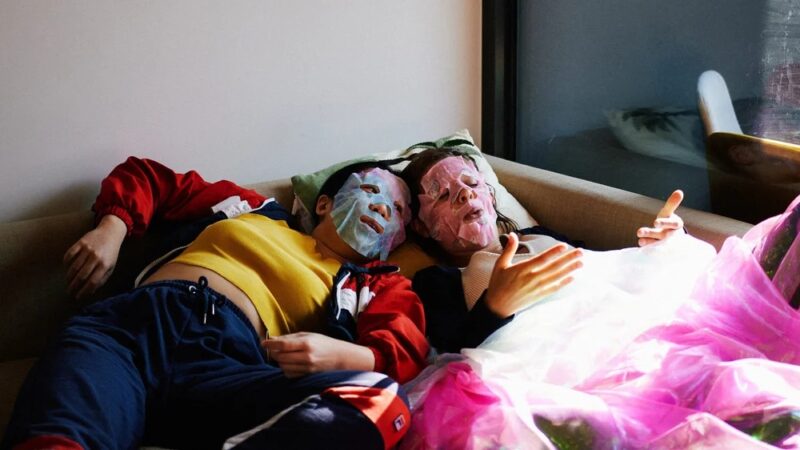
Yes, but also no. It’s an interesting way of working, because traditional directing is very much about control and (there’s) this quite male form of leadership, that is very “I’m going to tell you what the scene is and you have to give me that. The way I wanted this film to work was to really lean into the opposite feeling of like, “I’m going to accept what I’m being given and react to that!” So it was a mindset shift! It was so fun, because it meant that while we were filming I was getting to experience the film for the first time, as opposed to living in my head for months and then finally getting to the shoot. And I knew Em and Mel would be amazing together when I cast them, but they were even more amazing than I realised. It was just this incredible experience (of) “Wow this is bigger than me and it’s bigger than any one person.”
Did you have to do any other takes? Or was it all just a once off?
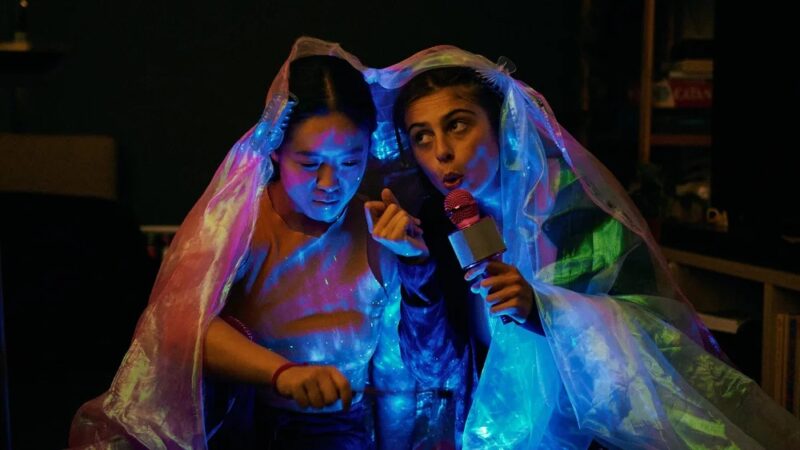
Everything was kind of done in one take! When you’re shooting in the city, things will just go wrong and people will look at the camera, so some things we had to do over and over, and then other things we could only do once, like the microphone scene. That crazy rap? That was a one off!
What’s next for you and the team Excellent Friends & Future Success! Pty Ltd?
I want to make my next film in Victoria and work with some really, really, really cool emerging crew who are all super, super talented that I’ve collected over the years! And hopefully just make another great movie that has that kind of improvisational, unpredictable vibe to it!
Fwends is screening across select Australian theatres this November. For more information, head to the official site here.
