

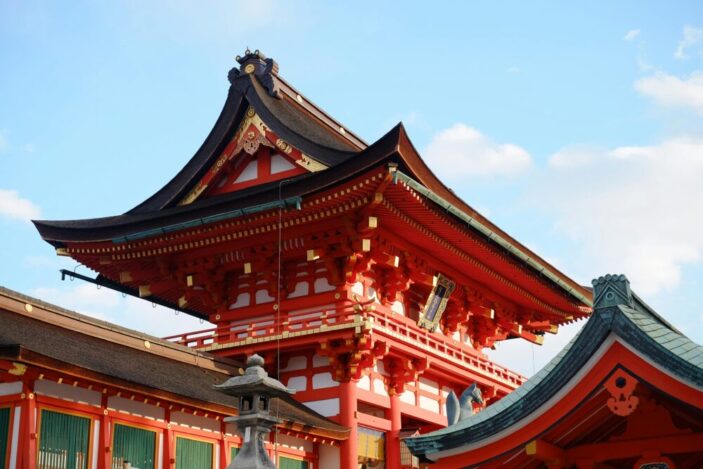
Japan’s spirituality is deeply connected to nature, tradition, and quiet reverence. Among the most iconic cultural sites are its many shrines. These sacred places are not just tourist stops. They offer a chance to witness rituals, observe architecture, and understand centuries-old beliefs in a living form.
Travelers using an esim for Japan travel can easily find routes, read about needed etiquette, and understand shrine history before visiting. These sites often sit close to natural features like forests, rivers, or mountains, which reflects their link to the divine spirits. Take a look at what you should expect when visiting these places.
First Impressions Begin at the Torii Gate
The entrance to a shrine typically begins at the torii, a traditional gate that separates the everyday world from the sacred. Depending on the location, torii can be wooden, stone, or even metal. Visitors commonly bow once before stepping through the gate to show respect. This silent moment sets the tone for the visit.
After crossing, one may notice a path lined with lanterns or trees leading deeper into the grounds. The path is not rushed. It invites calm walking and quiet observation. Small stone statues, water basins, and guardian dogs appear along the way. These elements remind visitors that every detail at a shrine has a purpose. The peaceful setting helps shift the focus inward, away from outside noise.
Purification Rituals Shape Entry Behavior
At most shrines, a purification fountain is placed near the entrance. It contains water, bamboo dippers, and a set routine. People clean their hands and rinse their mouths to purify themselves before approaching the main hall. This act is not religious in the formal sense but a gesture of readiness.
Visitors usually wash their left hands first, then their right, and finally, they bring water to their mouths using their left hands. No part of the dipper should touch the lips directly. Afterward, the dipper is held upright to rinse it off before returning it. These exercises cultivate a state of mindful awareness. They also connect each person to generations who followed the same process.
The Main Hall Is a Space for Quiet Respect
Shrines center around the main hall, which houses the enshrined spirit. The hall is usually not entered. Instead, people stand in front of it at an offering box, throw a coin, and follow a set pattern: bow twice, clap twice, and then bow once more. Some may make a silent wish or prayer during the pause between claps.
Bells often hang above the offering box, and ringing one before praying helps alert the spirit to the visitor’s presence. Each sound, movement, and gesture contributes to the overall atmosphere. No music plays here, and no announcements break the air. The silence lets people reflect, even if they do not follow their beliefs.
Small Shrines Hold Personal Stories
Not all shrines are large or famous. Many small ones appear beside quiet roads, in forests, or near rice fields. These local shrines often serve personal wishes—safe childbirth, academic success, or protection from illness. They are usually maintained by the nearby community and carry stories passed down through generations.
Travelers with access to maps and cultural tips through an esim for Japan travel can find these hidden places more easily. A small torii gate, a simple offering box, and a shaded path may not stand out, but they reveal deep meaning. These quiet spaces invite reflection and show how tradition continues in daily life.
Seasonal Festivals Bring Color and Tradition
Throughout the year, shrines host seasonal festivals that attract locals and travelers. These events celebrate planting seasons, harvests, or ancient myths. Some involve parades with portable shrines carried through the streets. Others include dances, food stalls, and traditional clothing. These festivals create a lively blend of culture, ritual, and community spirit, bringing shrines to life differently.
Shrines take on a lively tone during such festivals without losing their spiritual core. People gather not only for fun but to participate in a shared history. These events blend sacred customs with local pride. While the pace is faster than usual, respect remains central. The energy of the crowd reflects both joy and belief.
TL;DR
The country’s shrines offer more than photo opportunities. They reflect how everyday life still includes space for the spiritual. Using an esim for Japan travel supports not just movement but also understanding these nuances better. Whether planned or spontaneous, each visit creates a moment to pause, observe, and feel grounded in tradition. Travelers who walk through torii gates, wash their hands, and make quiet wishes often feel calm long after leaving. Japan’s shrines do not demand belief; they invite respect, which changes how one sees the journey.
