

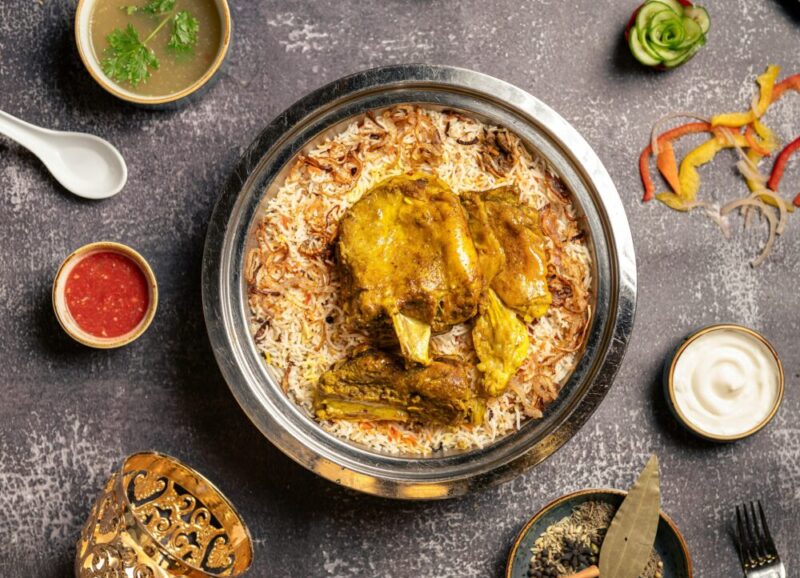
Travelers who move from one region to another often treat food as a guide. They follow flavors that spark curiosity and inspire movement. Many nomads choose their next stop based on a dish they want to taste or a style of cooking they want to learn more about.
As these explorers move across borders, simple tools help them stay connected while keeping their attention on local flavors. Many travelers who travel around Asian countries rely on an asia esim to manage their data with ease as they search for markets, street stalls, and community kitchens. Food becomes a path that shapes their routes, and the rest of this article explains how these taste-driven choices influence their journeys.
Local Dishes That Spark Curiosity
A trip can begin with a simple wish to taste something new. A nomad may see a photo of a dish that shows a bright color or a unique shape. This may push them toward the place where that dish came from. Many travelers pay close attention to the way locals prepare meals. The steps in the process reveal pieces of the region’s past.
Spices used in a soup may show ties to trade that shaped the area long ago. The cut of a vegetable may show a method passed down through many families. A special dish can feel like a small clue about a region. Each unique flavor becomes a starting point for a new chapter in the journey.
Markets That Draw Travelers In
Travelers love open markets. These spaces offer bright scenes filled with fresh produce, warm bread, sweet desserts, and bold spices. A market stall can teach more about a region than a guidebook. Each vendor reveals a piece of local life. A fresh scent or a bright color can encourage a traveler to stay longer. A crowded aisle can push them forward toward a nearby village with similar food traditions.
Food Workshops That Shape Routes
Many nomads value hands-on experiences tied to local food culture. A cooking session with a local expert offers more than a recipe. It gives a window into memory, heritage, and place. A traveler may join a class to learn how to grind spices with a stone tool.
They may learn how to heat clay pots on a small outdoor stove. Each lesson builds a deeper bond with the region. A class on noodle pulling may push someone toward a nearby town with a strong noodle culture. A traveler may follow a trail of teachers who pass down knowledge through simple kitchen tasks.
Street Food With Strong Local Identity
Street food reveals the pulse of a neighborhood. A vendor with a small grill can show more local truth than a large restaurant. Each bite gives a direct connection to the region. A traveler may plan a route based on a single snack that gained attention among locals.
A cart with fresh skewers may pull them toward a busy corner. A stall with a sweet pastry may lead them into a tight alley full of hidden life. A small taste at a stall can shift an entire travel plan. Street food carries culture through simple bites that feel quick yet meaningful.
Festivals That Redirect Travel Plans
Many regions hold food festivals that celebrate seasonal harvests or long-held traditions. These gatherings attract cooks, growers, and visitors. A traveler can sample local treats, learn cultural stories, and join large crowds with shared excitement. A single festival can shift a planned path. Joy from a new event can pull a traveler across valleys, towns, and borders. People who travel to Asia, make use of the asia esim which helps them stay connected with internet. This helps them research on the festivals of the place.
Food Trends Linked to Sustainable Values
Some nomads look for places that support responsible meals. They search for menus built on local crops or seasonal harvests. They value kitchens that cut waste or revive forgotten ingredients. These choices reveal communities that work to protect soil, water, and culture. This builds a deeper bond between traveler and host region.
Reasons many travelers choose conscious meals:
- They support growers who protect local land.
- They enjoy meals built from fresh seasonal crops.
- They feel closer to communities that value mindful food culture.
Digital Tools That Support Food-Focused Travel
Modern tools shape the way nomads plan trips tied to food. They look up rising food scenes through blogs or guides. They use simple maps to locate small food districts. They read stories posted by cooks who share fresh ideas. For instance, while traveling to Asian countries, an asia esim keeps these searches smooth during long movement across regions.
This tool helps travelers find hidden food spots even in remote places. Digital support encourages bold choices. A traveler may discover a small town due to a single post about a stew made with wild greens. They may follow a path suggested by a local blogger. Each piece of digital information can open new routes.
Food trends influence the way nomads move across regions. Flavors lead them toward new cities, small markets, fresh ideas, and warm connections. Each new taste brings a richer sense of place. Each shared meal strengthens their journey. Their path grows fuller with every plate they discover.
