

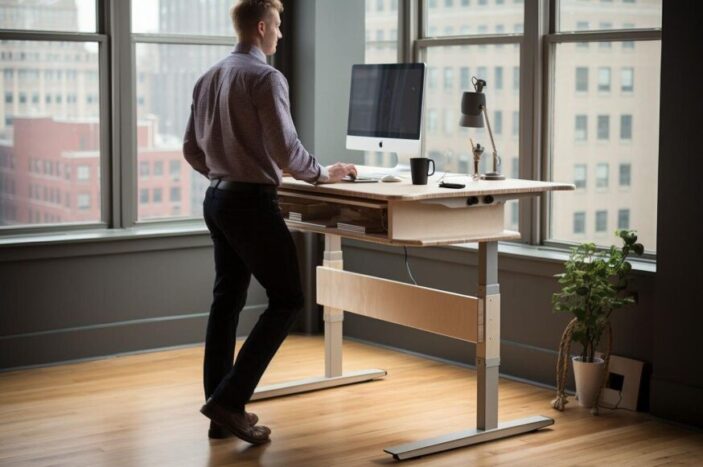
Creatives often work long hours in one spot. You might spend an entire afternoon editing photos, mixing an audio track, or writing a detailed review. This physical stillness can drain your mental energy and block the flow of ideas.
A dynamic workspace helps you stay focused and productive. For many artists and writers, sit stand desks provide a practical way to incorporate more activity into the creative process.
Prepare Your Workspace for Comfort
Proper setup prevents strain and keeps you comfortable. You should adjust your equipment for both sitting and standing postures. This ensures you maintain good form throughout the day.
Find Your Ideal Sitting Height
Your sitting posture forms the foundation of your workday. First, adjust your chair height so your feet rest flat on the floor. Your knees should form a ninety-degree angle, level with or slightly below your hips.
Next, position your desk so your elbows also form a ninety-degree angle when your hands are on the keyboard. Your wrists should remain straight. Finally, raise your monitor until the top of the screen is at or slightly below eye level. This alignment reduces neck and shoulder tension.
Establish Your Perfect Standing Position
The same principles apply when you stand. Raise your desk until your elbows are at a ninety-degree angle with your wrists straight. You should not have to hunch your shoulders or reach up for your keyboard.
Again, your monitor needs to be at eye level. A separate monitor arm can make this adjustment simple. Standing on a hard floor for a long time can cause discomfort. Consider using an anti-fatigue mat to provide cushioning and support for your feet and back.
Build a Sustainable Routine
Switching between sitting and standing requires a new habit. Your body needs time to adapt to more extended periods of standing. A gradual approach works best.
Start with Short Intervals
Begin by standing for 20 to 30 minutes at a time, a few times a day. You can use a simple timer on your phone or computer to remind you when to change positions. It is important to listen to your body. If you feel tired or sore, sit down.
Over several weeks, you can slowly increase your standing time. The goal is to create a comfortable rhythm of alternating postures. Consistency is more effective than trying to stand for hours from the first day.
Pair Activities with Postures
You can create mental triggers by linking specific tasks to either sitting or standing. This method helps make the transition feel natural, rather than like a chore. The division of functions depends on your personal workflow and what feels right for you.
Here are some examples of creative work:
- Standing Tasks:
- Answering emails or messages.
- Brainstorming initial ideas for a project.
- Listening to a new album for a first impression.
- Making phone calls.
- Sitting Tasks:
- Writing long articles or reviews.
- Performing detailed photo or video editing.
- Finalizing a music track mix.
- Engaging in deep, focused work.
Enhance Your Workspace for Better Health
An adjustable desk is a great tool, but other factors also contribute to a healthy work routine. Small changes can improve your comfort and energy levels significantly. Your environment should support continuous, gentle movement.
The Importance of Movement
Standing still for a long time is not much better than sitting still. The primary benefit stems from adjusting your posture and promoting movement. While standing, remember to shift your weight from one foot to the other occasionally.
You can also perform simple stretches for your neck, shoulders, and back every hour. Taking short breaks to walk around your room or get a glass of water also helps. Constant motion, even minor motion, keeps your muscles engaged and improves circulation.
Accessories That Help
A few items can make your adjustable workspace even better. As mentioned, an anti-fatigue mat provides essential support for your feet, legs, and back during standing sessions. This can help you stand comfortably for longer.
A monitor arm is another valuable accessory. It allows you to position your screen at the perfect height and distance, whether you are sitting or standing. This independent adjustment is key to maintaining proper neck and eye alignment. A supportive, ergonomic chair is also important for your sitting periods.
Conclusion
Incorporating an adjustable desk into your creative workflow is about balance. The primary objective is to introduce more movement into your day, not to force yourself to stand constantly. By setting up your space correctly, starting with short intervals, and paying attention to your body, you can establish a sustainable and healthy routine. This balanced approach helps manage your energy, which supports a more focused and productive creative practice.
