

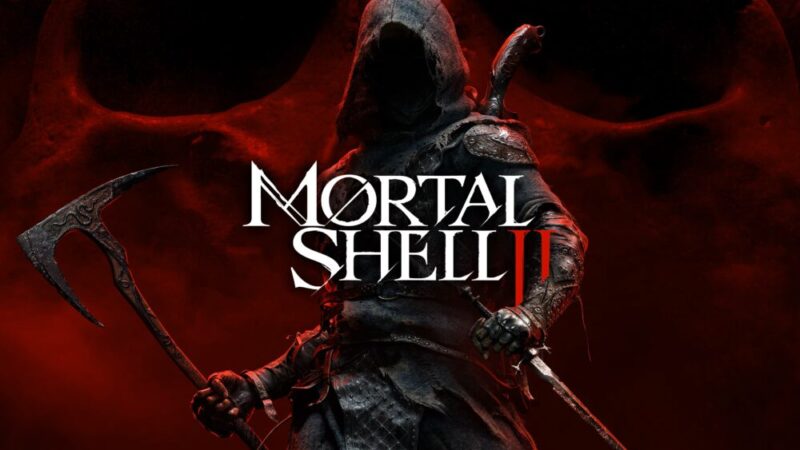
I was a fan of the original Mortal Shell when it was released back in 2020, but I will admit that it fell through the cracks, wedged within the rapidly expanding world of Souls-like games.
Even so, it had introduced and implemented a few new ideas, mainly stemming from the Shell mechanic, but for the most part, it felt like a relatively safe and streamlined experience, borrowing from other titles that arguably did it better.
In many ways, Mortal Shell 2 is a solid improvement over its predecessor, and even while it introduces less in the way of new ideas and mechanics, it does succeed at translating its core gameplay loop to a more diverse, open-world experience.
The Return of the Harbinger
Mortal Shell 2 isn’t focused on customisation, and instead puts you in the shoes of the Harbinger, a being capable of inhabiting the bodies of fallen warriors, otherwise known as Shells. For the most part, the game does so much with these Shells that you don’t really notice the lack of any cosmetic customisation in the first place.
The story, however, feels a little bland. It’s not to say there’s no story here, but much like any of the other Souls-like games, it sort of just sits in the background until a certain encounter prompts the story to lurch forward again. A cosmic entity known as the Undermether tasks you with tracking down the Ova, alien-like eggs, which are viewed as a key to cleansing the corruption that inhabits the world around you. It’s a fine premise to kick the story off, but it does take a backseat for most of its runtime.
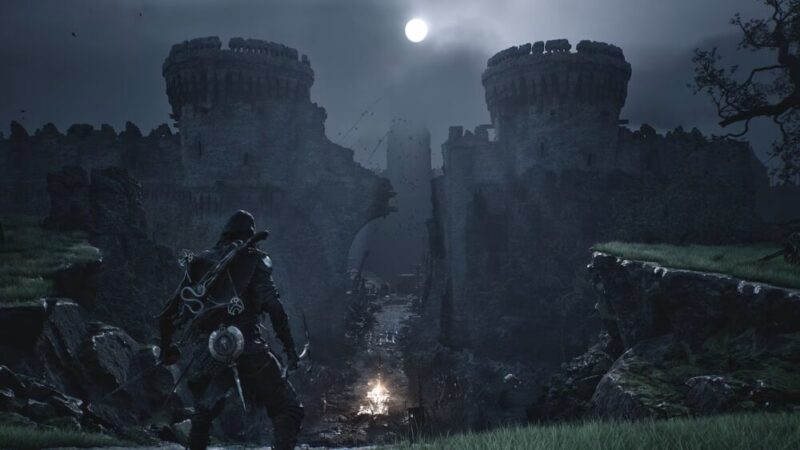
That being said, this world is actually really fun to explore and inhabit. It’s initially dark, cold, dreary and drenched in atmosphere, complete with imagery and environments that look like they’ve been ripped straight out of H.R. Giger’s brain.
While you’ll have access to a central hub called the Marrow Keep, the now-open world feels more inviting, ambiguous and cryptic, prompting you to explore its hidden corners. Along the way, you’ll also find Scattered Beacons, which act like checkpoints as you progress, meaning you’ll eventually be able to fast-travel and cover more ground with ease.
While the larger world does feel like a step forward for the series, I do wish the story and lore followed in its footsteps. It’s great to explore, and feels generally rewarding, but you can spend so much time exploring these lands without any interjection from the story that it can feel a little disjointed.
Shell Shocked
Like any Souls-like game, Mortal Shell 2 excels in its gameplay. I felt the gameplay of 2020’s Mortal Shell was fine for the most part, but could at times feel a little sluggish. The removal of a stamina bar in Mortal Shell 2 is, in my opinion, one of its best decisions.
It simply makes combat feel much faster and more frenetic, without the consequence of falling victim to devastating attacks once that bar is depleted. The Harbinger will still have access to a range of light and heavy attacks, in addition to a roll, block and parry, depending on your equipped Shell.
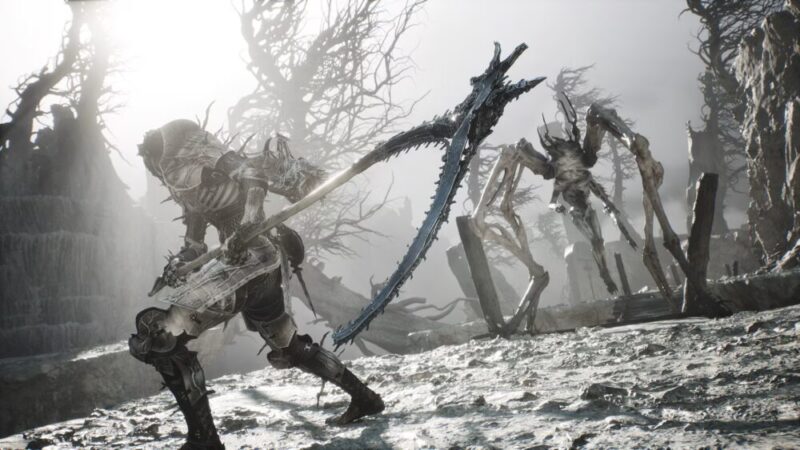
While that sounds like an advantage, the team at Cold Symmetry have cleverly thought ahead and actually prevented players from cancelling attacks once their animation has begun. This creates a really interesting dynamic between choice and consequence, as you can use any attack as you see fit, but if you use the wrong one and choose to throw out a heavy strike knowing your enemy will beat you to the punch with an attack of their own, it’s already too late.
Beyond this, the inclusion of eight playable Shells brings a significant amount of depth to player loadaouts and abilities, essentially determining how you experience the game. Thoughtfully hidden throughout the world, these Shells come with their own unique abilities, split across multiple upgradable tiers. You’re bound to find one that you prefer based on your playstyle, but you’ll generally need to get comfortable with a few to combat certain enemy types.
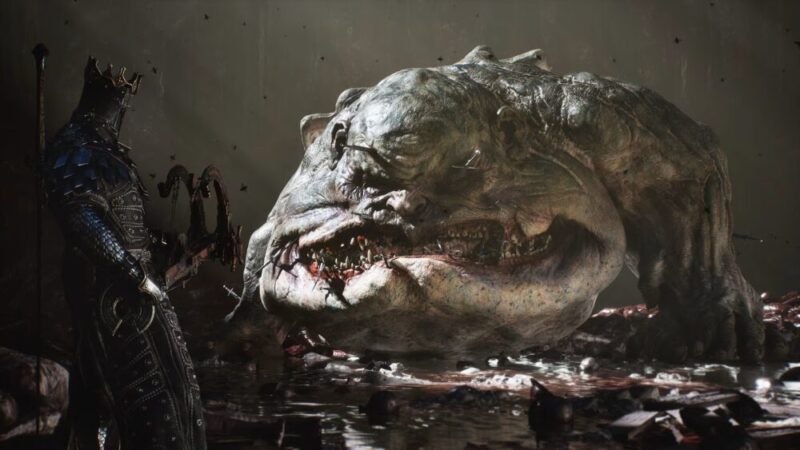
Top it all off with eight melee weapons to choose from and a new range of sidearms for ranged combat, and Mortal Shell 2 certainly feels much deeper than its predecessor. While the overall difficulty level feels a little more forgiving than most Souls-like games, the generally epic boss battles feel like more of a reality check than anything else.
Look the Part
Thanks to Unreal Engine 5, Mortal Shell 2 looks great. But thanks to Unreal Engine 5, there are a few technical hiccups. While most of the character models and environments are subject to an incredible amount of detail and realistic lighting effects, there are a fair few stutters when fast-travelling, for example, or when the action gets a little too chaotic.
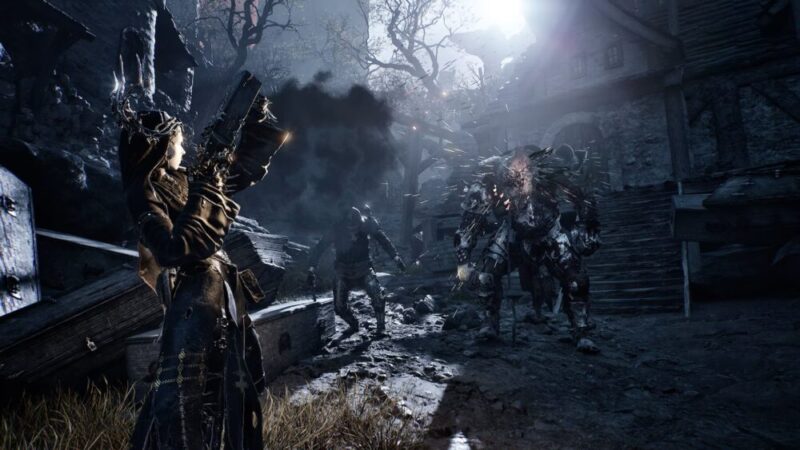
A 60 FPS Performance Mode is certainly the way to go, and while the 30 FPS Quality Mode brings with it a certain sense of polish thanks to the upscaled resolution, it makes the gameplay feel way more sluggish than it needs to be. As a result, Mortal Shell 2 can’t escape most of its frame rate drops in the heat of the action, but they’re never so consistent that they break the experience or interrupt gameplay.
Final Thoughts
Mortal Shell 2 won’t really break the mould for those invested in the genre, but it’s certainly a step in the right direction for developer Cold Symmetry. It simply succeeds in its heightened sense of scale and more frenetic combat, helping it not only stand out from its predecessor, but from other games within the genre.
It tends to break through its flaws too, providing a generally addictive experience once you come to grips with its mechanics and pacing.


FOUR STARS (OUT OF FIVE)
Highlights: Combat feels much faster; New Shell abilities add variety; Boss battles are generally great
Lowlights: Frequent technical hiccups; Very minimal story leads to aimless exploration at times
Developer: Cold Symmetry
Publisher: Playstack
Platforms: PlayStation 5, Xbox Series X/S, Windows PC
Available: Now
Review conducted on PlayStation 5 Pro with a code provided by the publisher.
Featured header image also provided by the publisher.
