

Soaking in really hot, mineral-stacked water with a dozen naked strangers is one of the most important traditions in Japan. And that’s saying a lot in a country that has turned intentional stillness into a life-giving art form, whether it’s at a gentle tea ceremony or along a quiet path in a scrubby forest.
This country offers a lot; it demands just as much. Yet media perceptions of Japanese people being aggressively overzealous when it comes to rules are grossly exaggerated. It’s hard to feel like you’re a nuisance here, unless you’re actively trying to be.
Rules and traditions offer more than spiritual value. They are essential to how Japanese society functions. There are deep ways of being in Japan that are simply existential to the culture, providing the mental and physical tools necessary for such a unique and strong sense of identity. In this sense, Japan’s assertiveness and unwavering cultural preservation can also be seen as long-shot investments, fundamental to why everyone is falling in love with the country right now.
Very few traditions have shaped the culture as much as the art of the onsen. The Japanese are far from the only culture obsessed with the numerous mental and physical benefits of playing with temperature and oxygen. The Nordic countries live or die by the sauna. Geothermal bathing is popular everywhere, from New Zealand’s Rotorua to Turkish bathhouses, which have been seen as mandatory since Roman times.
But with the broadly vague idea of “wellness” inching towards the centre of the travel space every year, looking to this proven ancient tradition is important. Visiting where it all began is as magical for the mind as the world’s greatest museums.
Matsuyama is a city built on pirates, hot springs and orange juice
Even the pirates were polite in Japan. Kind of.
Between the 14th and 16th centuries, a sea tribe called Murakami Kaizoku acted as a maritime force for the Seto Inland Sea, which is the body of water between Japan’s main island of Honshu and a lesser-known island called Shikoku, which today is divided into four prefectures and is most famous for its outdoor lifestyle and deeply spiritual 88-temple Henro trail pilgrimage.
They never acted as raiders, however. Which is what people usually think of when they hear the word “pirate.” According to historical records, they were brutal when tested (or their toll wasn’t paid), but existed mainly to help the flow of important trade routes, navigating treacherous tidal currents that would get the best of less experienced sailors.
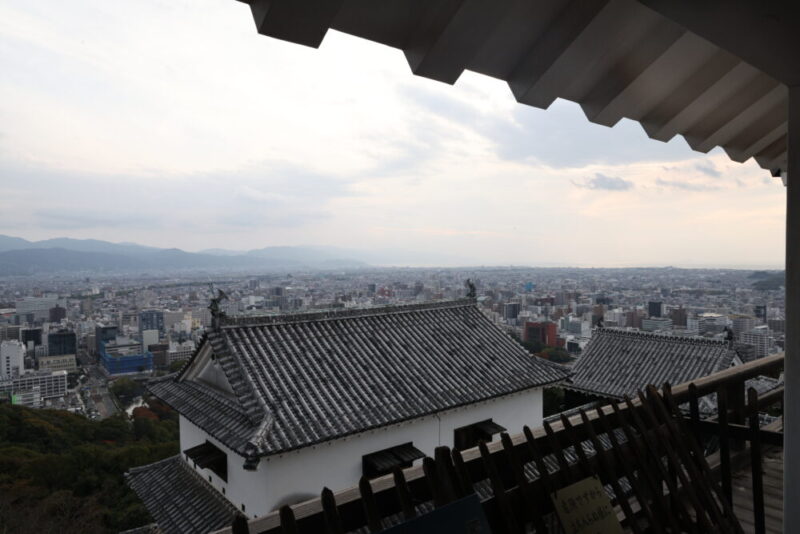
This sea-based power was controlled by the Kōno clan, whose seat was Yuziki Castle, the ruins of which can be found scattered all over Dogo Park in the fascinating city of Matsuyama, the prefectural capital of Ehime.
Ehime is noted for its grand natural setting. Trace the prefecture’s cultural highlights, and you’ll be cycling across the world’s only triple-suspension-bridge, visiting mountainous temples hidden behind thick scrubs of red and gold leaves, and watching magical sunsets from small islands. It’s an adrenaline magnet, especially for cyclists hitting the famous Shimanami Kaido.
But it’s also famous for its natural hot springs. Take a walk in Dogo Park and look amongst the castle ruins, and you’ll spy what looks like a well and a 157.6-centimetre-tall granite receptacle, a yugama, sitting in a stone. According to a sign, it was used often until 1894, yet the receptacle is said to date back to the Nara Period of the 8th century, which long predates Matsuyama’s seafaring activities.
The city has had a long history with the healing properties of water. At the foot of Dogo Onsen’s arcade lies one of the world’s most elaborate cuckoo clocks, which puts on a dazzling show every hour. And at the foot of that, a simple well of hot springs where people come to bathe their feet in warm water. There are a few of these free-to-use foot spas dotted around the city, reflecting a unique way that locals maintain energy throughout the day.
The love of liquid extends beyond water as well. You’ll find orange juice bars with numerous taps of many different kinds of OJ. This is because special kinds of citrus grow in abundance in Ehime, so much so that it’s become a source of prefectural pride. Even Ehime’s signature mascot is a blend of a Mikan citrus fruit and a dog.
The might of Dōgo Onsen Honkan
During the 19th-century Meiji Period, then-mayor Isaniwa Yukiya commissioned a grand bathhouse over a hot spring well that dates back well over 3,000 years. According to legend, the Japanese began using these hot springs after seeing an egret with an injured foot self-soothing in the spring waters.
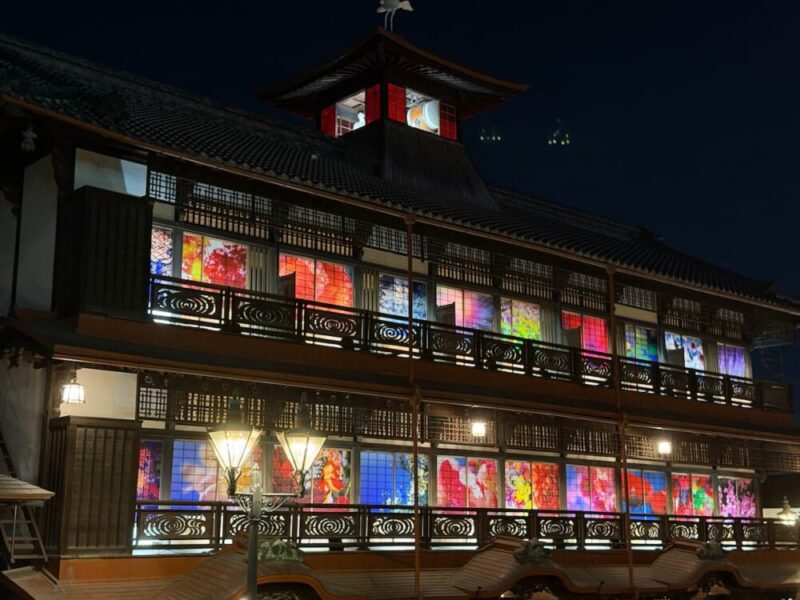
Dogo Onsen Honkan was built as a three-storey wooden castle-like structure. It perfectly reflects the ornate, intricate architectural language of the Meiji Period, which is when The Land of the Rising Sun really came into power with decades of rapid industrialisation and widespread prosperity.
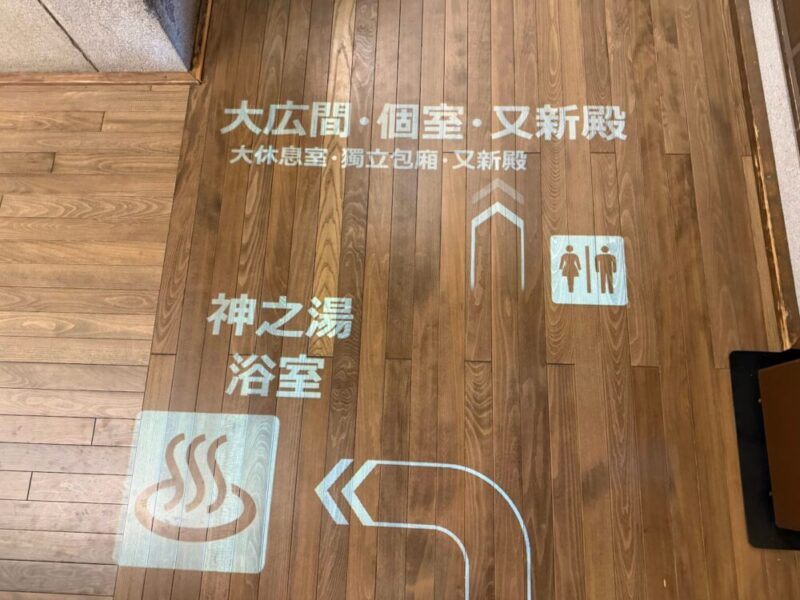
Today, it’s often the primary reason locals and tourists make the journey to Matsuyama, with the building offering a mix of perfectly preserved architecture, local art and sociable tatami areas. There are several wings to the multi-floor building, with bright LED animations (in English) under the wood and tatami flooring to help guide people around.
This mix of an old-world atmosphere with refined, modern and minimalist spaces is intoxicating and another of the many examples of Japan’s mastery when it comes to cultural preservation.
Dogo Onsen water is special because it comes from free-flowing natural hot springs with a softer, silkier texture. I’ve been travelling to Japan since 2010, so I have bathed in many onsens before, but I have never walked out feeling that sprightly and relaxed.
It’s not hard to notice the emblematic building, standing at the end of an L-shaped arcade – Dogo Haikara-dori – packed with boutiques, orange juice bars and traditional restaurants. The gorgeous woodcraft and tiled roofs mirror austerity and wealth, while the top-level red glass tower, the Shinrakaku watchtower, is surrounded by red sheet glass. Perched on top is a bright white egret, referring to the history of these hot springs.
Studio Ghibli fans constantly seek Dogo Onsen not just for its primary function and gentle atmosphere, but also for the fact that it was also a main source of inspiration for Miyazaki’s Spirited Away. The building’s stately facade reflects Japan’s reverence for hot water. Even if you’re not aware of the building’s importance, the throngs of (mostly Japanese) tourists pitching for the perfect shot should tell you.
At the other end of the arcade is a newer, more polished building known as Asuka-no-Yu, an annex of Dogo Onsen with a more modern lean, recreating much of what makes Dogo so unique but adding contemporary flair, including a balcony where post-soak bathers can gather for some tea.
A city for the soul
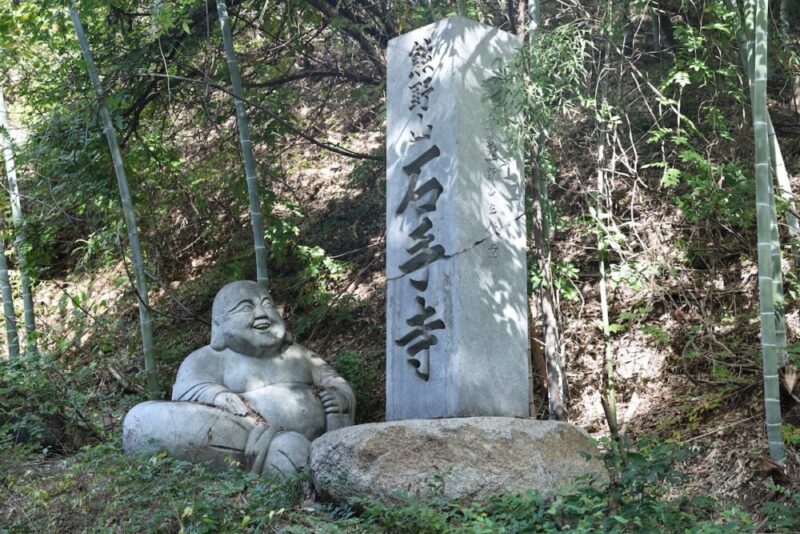
Not even a 20-minute walk from Dogo Onsen will bring you to the enormous Isaniwa-jinja grounds, which form part of a deeply spiritual 88-temple pilgrimage around the island of Shikoku. Considering Matsuyama’s foundational importance in Japanese culture, it’s a shock to learn that many tourists are still unaware of Ehime.
As stress levels rise and the need for both wellness experiences and the personal growth that spirituality can bring, I wouldn’t be surprised if we see that change dramatically over the next few years. Especially now that the world has fallen in love with Japan and is constantly finding new things off the traditional Golden Route trail of Tokyo, Osaka, and Kyoto.
Tips for visiting Dogo Onsen
- You’ll likely have to join a queue for the Dogo Onsen, unless you’re going just before the building shuts at 11pm (last entry 10:30pm). I suggest going as late as you can if you don’t want to queue. If you’re heading there in the evening, around 7pm, then you can expect to wait. I waited around 30 minutes.
- Language barriers don’t matter much. Dogo Onsen is perfectly signed and (as mentioned above) has bright white LED lights built into the tatami and wooden flooring to guide visitors around.
- Just down from Dogo Onsen, under the covered arcade, is the high-end Iori Honten, the flagship for Imabari Towels – a famous export from Ehime with premium, high-quality towels (and a back-venue orange juice bar). You can rent towels from here, so don’t worry if you forgot yours at the hotel.
- You can also hire towels at Dogo Onsen for 100 – 300 yen ($1-3 AUD).
- Entrance fees to the main Dogo Onsen building depend on the time. Expect to pay 450 – 700 yen for a standard one-hour session and up to 2,500 yen ($25 AUD) for a more premium experience. Private rooms cost extra and are in abundance, sometimes covered with colourful local art.
- Get some shaved chestnut ice cream in the arcade afterwards; trust me.
The author was a guest of Visit Ehime.
