
Hollywood’s current nostalgia cycle has moved beyond prestige remakes and into something far more interesting: reclamation. The success of Anaconda’s meta-leaning revival – powered by the pairing of Jack Black and Paul Rudd – signals a new appetite for films that don’t apologise for their origins, but interrogate them. The ’90s were an era of sincerity, excess, and high-concept swings, and many of its cult favourites now feel uncannily suited to the anxieties of the present.
These aren’t properties begging for glossy reinvention. They’re films whose central ideas of identity, obsession, misinformation, surveillance, and cosmic dread have only sharpened with time.
Single White Female (1992)
Revisiting Single White Female today doesn’t require inflating its premise, only updating its context. In a world defined by aesthetic mimicry, algorithmic mirroring, and social performance, the idea of someone slowly erasing another person’s identity feels less sensational than inevitable. The horror now lies in intimacy as invasion: shared tastes, replicated digital footprints, the uncanny sense of being replaced in real time. Casting actors like Margaret Qualley opposite Jessie Buckley or Mia Goth would allow the film to lean into psychological unease rather than melodrama, finally making explicit the queerer, more corrosive undertones the original merely suggested.
Face/Off (1997)
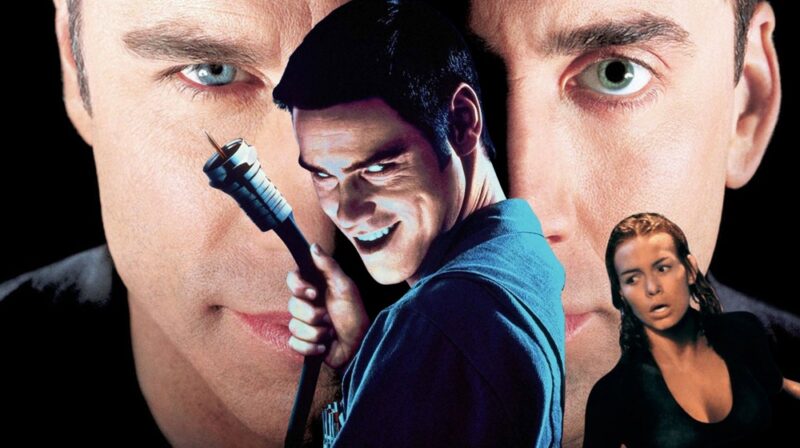
Few studio films have ever committed harder to their own insanity than John Woo’s Face/Off. Any revisit that treats it as parody would miss the point entirely. What makes the film endure is its utter seriousness – the way it frames masculinity, grief, and vengeance as operatic performance. A modern version, perhaps starring Oscar Isaac and Pedro Pascal, could transform the identity swap into a brutal meditation on power and selfhood: who gets to wear authority, and what happens when image becomes destiny. Played straight, Face/Off could once again feel outrageous and oddly profound.
There is, however, an equally compelling alternative: lean into the lunacy and play Face/Off as an outright comedy. The premise is already absurd; embracing it could turn the film into a showcase for precision comic performance rather than operatic melodrama. Pairings like Ryan Gosling and Will Ferrell, Seth Rogen and Jason Segel, or even John Cena and Dave Bautista could weaponise physicality, timing, and self-awareness, turning the identity swap into a farce about ego, masculinity, and image. Done right, a comedic Face/Off wouldn’t mock the original, it would honour its excess by pushing it somewhere new.
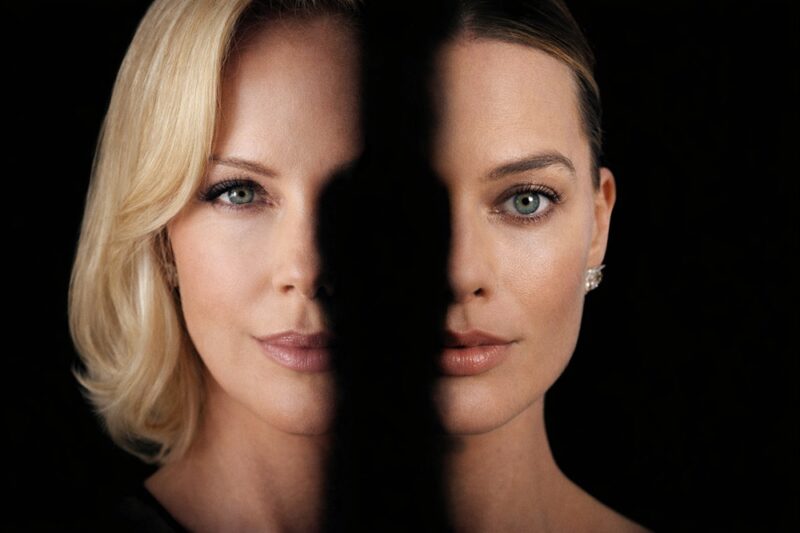
A third, even more exciting possibility is a female-led gender-swapped version, which would bring fresh stakes and commentary on identity, power, and performance. Imagine Charlize Theron or Jodie Comer as an elite federal agent, paired against Margot Robbie or Florence Pugh as a master thief – each forced to navigate the other’s personal and professional life under extreme circumstances. This approach could be played as a straight thriller, highlighting psychological and physical stakes, or lean into action-comedy, showing how each woman hilariously struggles to inhabit the other’s skills and persona.
Urban Legend (1998)
The original Urban Legend was built on the transmission of fear through storytelling, making it one of the most naturally adaptable slashers of its era; as of April 2025, a reboot is allegedly actually in development. Today’s myths aren’t whispered in dorm rooms; they’re algorithmically amplified. A contemporary take could weaponise TikTok trends, AI-generated footage, and viral hoaxes, exploring how belief itself becomes lethal. Set within an elite university or influencer ecosystem, the film could balance nostalgia with modern paranoia, tapping into the terror of misinformation spreading faster than truth – and doing real harm along the way.
The Cable Guy (1996)
Long dismissed as a misfire, The Cable Guy now feels like a warning issued too early. Its portrait of loneliness, entitlement, and forced intimacy reads differently in an age of para-social relationships and algorithmic companionship. Replace cable television with recommendation engines and digital proximity, and the story becomes chillingly plausible. Casting someone like Paul Dano or Barry Keoghan would ground the antagonist in realism rather than caricature, while a director such as Yorgos Lanthimos could lean fully into the film’s queasy tonal tightrope – not a comedy about obsession, but a horror story about connection.
Deep Blue Sea (1999)
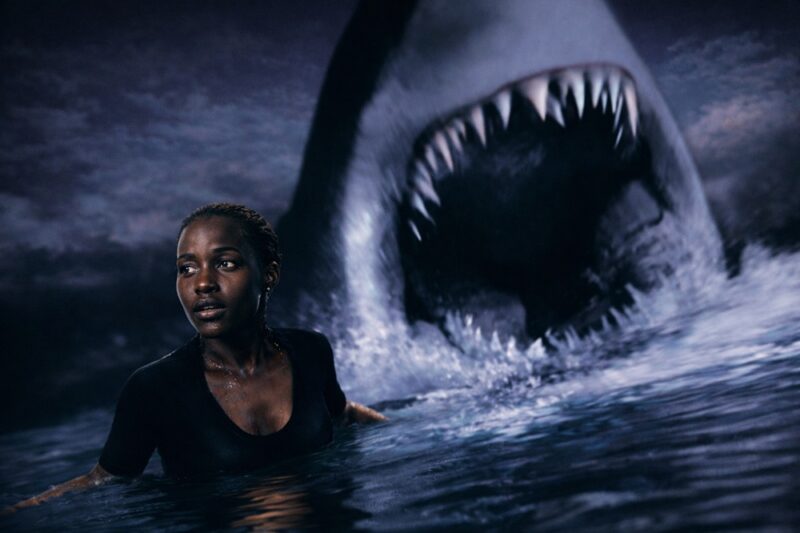
Deep Blue Sea has nothing to be ashamed of – and that’s exactly why it deserves another swing. A modern revisit should embrace its B-movie bravado while sharpening its thematic teeth. Climate collapse, bioengineering, and corporate science-for-profit lend the premise new urgency, while casting an actor like Lupita Nyong’o or Rebecca Hall anchors the spectacle in intelligence rather than bravado. Keep the sharks monstrous and the set-pieces outrageous, but let human hubris remain the true antagonist. This is popcorn cinema with bite. Bonus points for a knowing Samuel L. Jackson cameo that subverts expectations all over again.
The Game (1997)
David Fincher’s reality-bending thriller feels almost gentle compared to the world it predicted. A contemporary The Game would expand beyond elaborate role-play into something far more disturbing: surveillance capitalism, behavioural data, and consent buried in fine print. A protagonist played by Mahershala Ali or Oscar Isaac could embody controlled unraveling, slowly realising that every choice has already been anticipated. Less a twisty puzzle box, more an existential horror about discovering your life is someone else’s experiment.
Event Horizon (1997)
Time has been kind to Event Horizon, elevating it from box-office casualty to cult sci-fi nightmare. A revisit wouldn’t need to remake its plot so much as deepen its psychological terror. With a cast led by Idris Elba or Steven Yeun and a filmmaker like Alex Garland or Brandon Cronenberg, the film could explore grief, faith, and guilt against the vast indifference of space. Leaning into restraint and atmosphere over excess, Event Horizon could finally achieve the reputation it always deserved – as one of the most unsettling studio horror films imaginable.
The Blair Witch Project (1999)
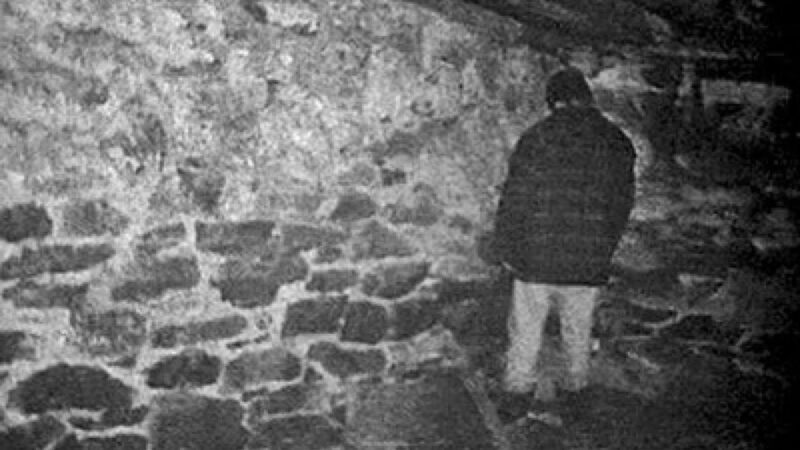
The Blair Witch Project should never be remade – but it can be re-interrogated. The mythology has only grown in an era dominated by true-crime podcasts, Reddit sleuths, and online myth-making. A modern film could follow investigators or content creators attempting to debunk the legend, only to become consumed by it themselves. No stars. No polish. No reassurance. The power of Blair Witch was always its anonymity – the sense that this footage was never meant to be seen. That rule still applies.