

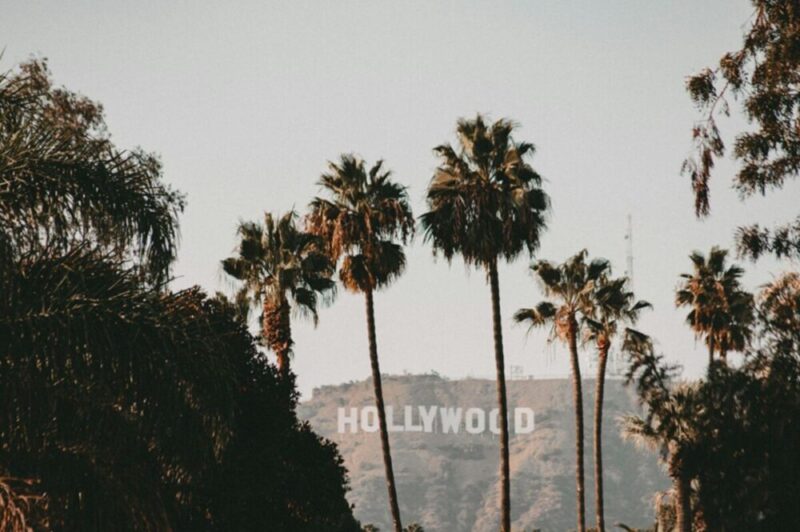
Let’s be honest: the difference between “home movies” and “Hollywood perfection” isn’t about a camera that costs as much as a small car. It’s an attitude. It’s that nagging feeling at 3:00 AM when you know a scene is “done,” but your gut tells you a single cut is two frames too long.
You don’t need a massive studio in Burbank to create something cinematic. You really need to stop arranging clips and start making something.
Here are some professional editing tips that will make your video look like it came out of a Hollywood studio – even if it was created at your dining table next to piles of junk mail.
Clean Up Your Mess (Organization is Freedom)
In a professional bay, you will never find a file named IMG_5921.mp4. If you’re spending twenty minutes looking for “that one shot of the sunset,” you’ve already lost your creative flow.
- Folder Logic: Treat your hard drive like a professional kitchen. Everything has a place. Use names like 01_Footage, 02_Audio, 03_Graphics.
- The Assistant Editor Hack: Use metadata. Tag your clips as “Good Take” or “Close-up” immediately.
- Pro Tool: If you want to edit a video without the headache of manual sorting, take a look at LuminaCut Pro. Its AI tagging acts like a digital assistant, categorizing your footage by lighting and subject while you’re still pouring your first coffee.
Master the “Invisible” Cuts (J & L)
The biggest giveaway of an amateur edit is the “straight cut”-where the audio and video end at the exact same moment. It feels robotic and jarring. Professional film is “liquid.”
- L-Cuts: The video changes, but the audio from the previous scene carries over. It’s the secret to a perfect reaction shot.
- J-Cuts: The audio of the next scene starts before you actually see it. It’s how you prepare the viewer’s brain for a change in scenery.
- The Trick: Next time you’re on your timeline, hold Alt and drag your audio track about 10–15 frames past the video. Suddenly, your edit will feel like a movie instead of a slideshow.
Sound: The Layered Cake
Sound is 50% of the movie, but 90% of beginners forget it. If your audio is just a music track and a voice-over, it will feel “flat.”
| Layer | Why it matters |
| Room Tone | The “hum” of the room that masks your cuts. Never have dead silence. |
| Foley | The small stuff: a jacket rustling, a glass clinking. It adds “weight” to the image. |
| Atmosphere | Distant sirens or wind. It convinces the brain the world is real. |
LuminaCut Pro is a lifesaver here-it has a one-click “Deep Cleaner” that strips out background hiss but keeps the dialogue crisp. It’s the closest thing to a studio booth you can get in a home office.
The “Blink” Test
Editing is all about rhythm. A famous rule of thumb is that a cut should happen right when the viewer would naturally blink.
If a shot stays on screen for more than five seconds without something happening, the audience starts to check out. Watch your work at 1.5x speed. If a scene feels boring or “draggy” at high speed, it’s definitely too long. Be tough on yourself. Cut scenes that don’t add to the story. If that great aerial shot doesn’t help the plot remove it.
Color Grading, with Care
Don’t just apply a “Teal and Orange” effect to all your footage. Hollywood color isn’t about filters; it’s about character. Start with the basics: make sure the skin tones don’t look like raw chicken. Once your white balance is set, use LuminaCut Pro’s Color Match. You can literally grab a screenshot from a film like Dunkirk or The Batman, and the software will map those professional color coordinates onto your project. It’s a massive shortcut to a high-end look.
The Final Word
At the end of the day, “Hollywood quality” isn’t a zip code-it’s a state of mind. You don’t need a sprawling crew to create something that moves people. The key thing you need is discipline. This means paying attention to details and respecting the viewers time. When you switch from making content to actually telling stories you will be on a whole different level.
You will be doing something better than before. It is about telling stories. Discipline and respect for the viewers time are crucial. It isn’t just about putting out pixels anymore; it is about creating an experience.
Are you ready to begin your next project?
