

While the tech world obsesses over Apple Intelligence and machine learning algorithms, the iPhone 16 Pro didn’t exactly need to be an impressive piece of tech. In fact, Apple kind of messed up when they put out the iPhone 16 series with little to no AI features, even though Apple Intelligence was a big drawcard for this generation.
But did it matter? The iPhone 16 Pro is easily the best phone Apple has had to date. And after spending months using it in various real-world scenarios, from flying over New York to cramped aeroplane seats, I came to realise that Apple’s most impressive features are a result of efficiency gains made possible by AI.
So it’s not necessarily AI itself that’s really making the iPhone 16 Pro the “must-own” phone of the year, it’s the freeing of resources that Apple has used to improve various other aspects of the smartphone experience.
The return of Intentional Photography
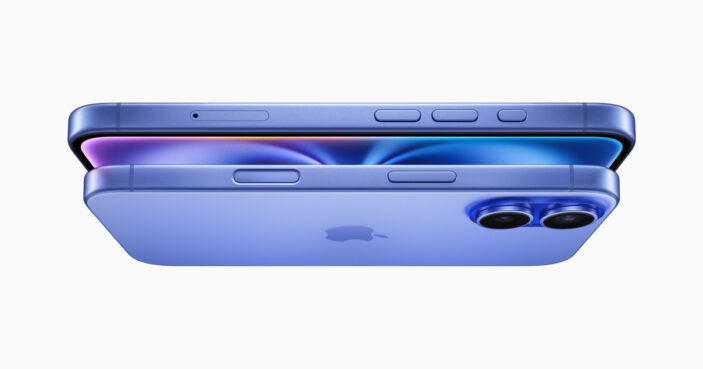
Camera Control features a two-stage shutter that lets you automatically lock focus and exposure with a light press so you can reframe your shot without losing focus on your subject.
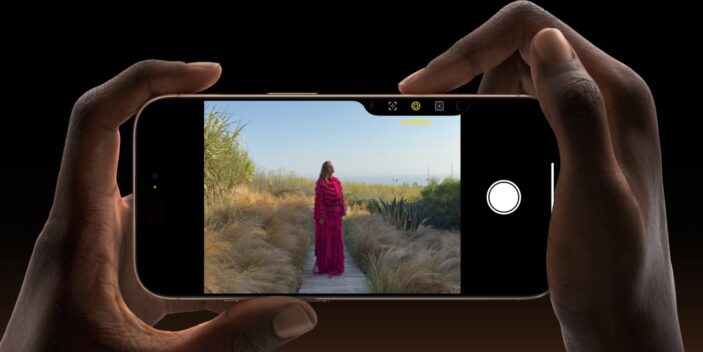
In our swipe-and-tap world, Camera Control brings back the deliberate act of taking photographs. The sapphire crystal surface responds to pressure variations with remarkable precision, allowing photographers to adjust settings without lifting their eyes from the viewfinder. A light press opens controls like zoom. With a double light press, you can select another camera setting. Then slide to adjust that setting.
Rather than fumbling through on-screen menus while your subject moves or the light changes, you maintain the flow of composition while making technical adjustments. It’s the difference between operating a camera and being interrupted by one. And it makes you pay more attention to movement, which is one of the most important things to consider with content creation.
4K 120fps Dolby Vision
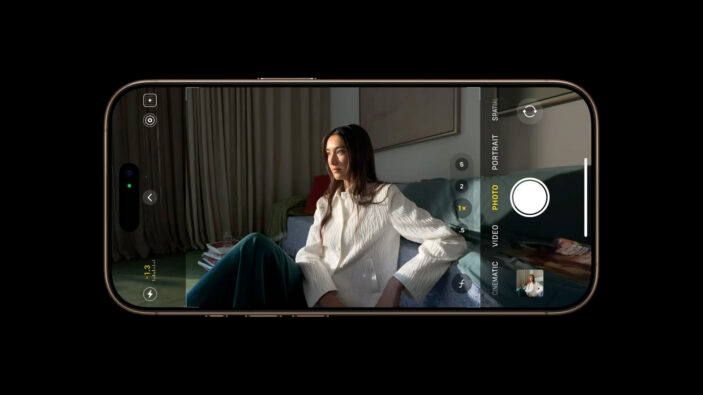
The quad-pixel sensor can read data 2x faster, enabling zero shutter lag for 48MP ProRAW or HEIF images. It also brings 4K 120 fps video recording in Dolby Vision, a first for a smartphone. These aren’t just impressive specifications—they represent a fundamental shift in what’s possible with mobile video creation.
The 120fps capability at 4K resolution means slow-motion footage that maintains exceptional detail and colour accuracy. But it’s the practical applications that matter most. Capturing a child’s fleeting expression during a birthday celebration, or the precise moment water breaks against rocks during a coastal walk—these moments benefit from the temporal precision that high frame rates provide.
4K 120 fps video can be taken in video or Slo-mo mode, and playback speed can be adjusted after capture. This flexibility means you’re not committing to slow motion at the moment of recording. Instead, you can capture at high frame rates and decide later which moments deserve that dreamy, extended treatment.
The Dolby Vision processing ensures these high-frame-rate captures maintain the colour depth and dynamic range that make footage feel cinematic rather than clinical. It’s the difference between documentation and storytelling.
Enhanced Titanium Design
Where the titanium on the iPhone 15 Pro was brushed on the side rails, this model features a more radiant, brushless finish that comes from a different process. This isn’t merely aesthetic refinement—it’s Apple addressing the practical realities of how people interact with their devices daily.
The improved titanium construction provides tangible benefits in weight distribution and durability. It’s remarkably durable with the latest-generation Ceramic Shield material that’s 2x tougher than any smartphone glass. But beyond the impressive specifications, the refined finish feels more confident in hand, less prone to showing fingerprints, and more resistant to the micro-scratches that accumulate over months of use.
The Desert Titanium colour option deserves particular mention. Think bronze, not brass or gold, when it comes to the shade of Desert Titanium’s metal—it’s a sophisticated alternative to the stark industrial finishes that have dominated recent iPhone generations.
This isn’t about luxury for its own sake. The titanium construction contributes to the device’s overall balance, making it comfortable to hold during extended photography sessions or video calls. It’s functional elegance that enhances rather than compromises usability.
5x Telephoto Across the Pro Line
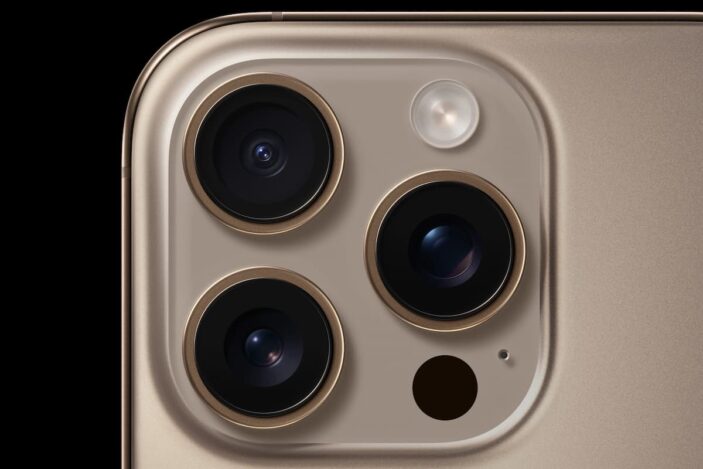
Previously reserved for the Pro Max, both the iPhone 16 Pro and 16 Pro Max have a Telephoto lens that supports 5x zoom. Apple says the 5x zoom lens uses tetraprism technology that reflects the light four times over, allowing for a longer focal length.
This democratisation of optical capabilities means choosing a phone size based on preference rather than accepting feature compromises. The 6.3-inch Pro now offers the same optical reach as its larger sibling, fundamentally changing the decision calculus for photographers who prefer more manageable device dimensions.
Apple is using 3D sensor-shift optical image stabilisation for the Telephoto lens, and because it is able to move in three directions, it delivers twice as many microadjustments as before for crisp photos even when zoomed all the way in. This technical advancement translates to consistently sharp telephoto images, even in challenging conditions or when shooting handheld.
The 5x focal length proves particularly valuable for travel photography and street scenes, where getting physically closer to your subject isn’t always practical or appropriate. It’s not about maximum magnification—it’s about having the right tool for natural composition without compromising image quality through digital interpolation.
Advanced Audio Mix
I haven’t seen many Apple Intelligence features that have made a substantial difference to anyone but the most enthusiastic of content creators yet. Which makes sense. Content creation is getting more prevalent and sophisticated, and it’s more inescapable than ever before. I’m sure you’ve seen the studies that indicate most young people would rather create content than be a doctor, right? It makes sense that smartphone brands pay the most attention to these needs.
And so advanced audio mix may seem largely useless for most users, but it’s an important step for Apple.
Basically you can capture all the voices around you and consolidate them toward the front of the screen — just like sound is formatted for movie theatres. The Audio Mix feature represents Apple’s understanding that great video isn’t just about visual quality—it’s about creating content that feels intentionally crafted.
The system offers three distinct mixing options: Standard, which balances all audio elements naturally; In-Frame, which focuses on voices visible on screen while maintaining environmental context; and Studio, which makes voices sound like you’re recording in a professional studio equipped with sound-dampening walls.
These aren’t preset filters applied universally—they’re intelligent audio processing that adapts to the content being recorded. The Studio mode proves particularly valuable for content creators who need broadcast-quality audio without carrying additional equipment. The In-Frame option excels in documentary-style shooting, where you want dialogue clear but environmental audio present for context.
Videos are captured with Spatial Audio for more immersive sound with AirPods or Vision Pro, and there’s a new Audio Mix feature for adjusting sound after capture to focus on the voice of the person on camera, make it sound like a video was recorded in a professional studio, or position vocal tracks in front and environmental noises in surround sound.
To see which iPhone 16 model best suits you head on over to apple.com
