

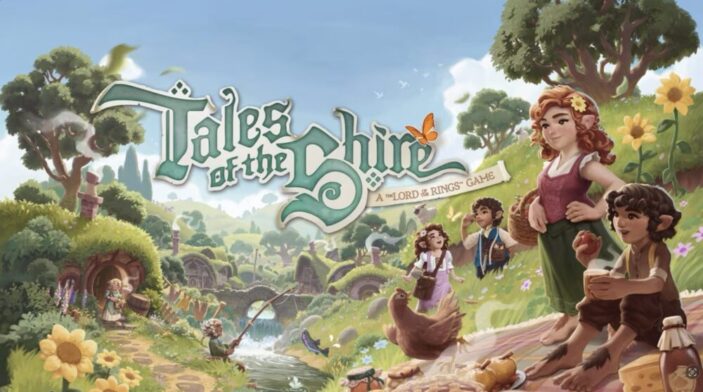
It’s almost impossible to overstate the cultural weight of J.R.R. Tolkien’s Middle-Earth. From the moment The Hobbit was first published in 1937, the world he built has continued to capture imaginations, inspiring countless adaptations, games, and creative works.
Most video games based on The Lord of the Rings have followed a fairly predictable formula, epic quests, dangerous journeys, and climactic battles between good and evil.
But what Wētā Workshop has done with Tales of the Shire: A Lord of the Rings Game is something far more unexpected: it asks you not to save Middle-earth, but simply to live in it.
And honestly, that feels like the most Tolkien thing of all.
A Hobbit’s Pace
From the very beginning, Tales of the Shire sets its tone. You’re not a warrior, ranger, or wizard. You’re a newly arrived Hobbit in the village of Bywater, eager to put down roots and become part of the community.
Your daily life consists of tending to your garden, fishing in gentle streams, cooking for neighbours, and making sure your little Hobbit-hole feels warm and welcoming.
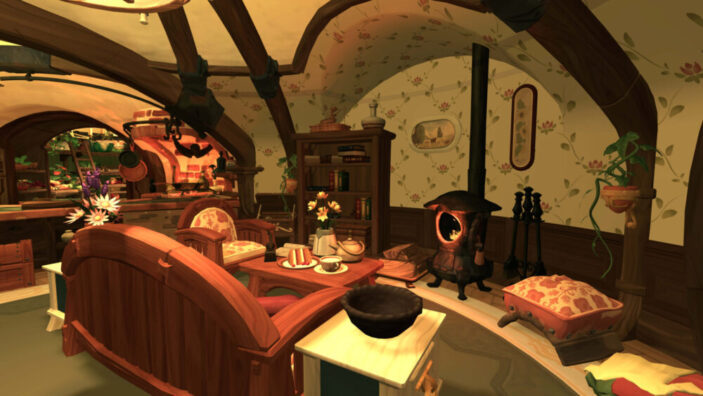
At first glance, this may seem like a strange direction for a game set in Tolkien’s universe. Where’s the danger? The urgency? The drama? But anyone who has read Tolkien closely knows that some of his finest passages are about the quiet corners of the world, the smell of fresh bread, the shape of a tree’s branches, the joy of a meal shared among friends.
In that sense, Wētā Workshop has tapped into the heart of his writing, crafting an experience that celebrates simplicity rather than spectacle.
Of course, the pacing won’t be to everyone’s taste. Like a good Hobbit’s second breakfast, it’s slow, hearty, and unhurried. But if you let yourself ease into the rhythm, the rewards are immense.
Beauty Worthy of Middle-Earth
The most striking thing about Tales of the Shire is its presentation. Wētā Workshop, the New Zealand studio famous for designing the costumes, creatures, and sets for Peter Jackson’s film trilogies, has delivered a Shire that feels both faithful and alive.
Rolling green hills stretch endlessly, dotted with wildflowers that sway in the breeze. Hobbit-holes with round, brightly painted doors nestle into the earth, smoke curling from their chimneys.
Birds dart through sunbeams, while butterflies guide you to hidden berries and mushrooms in the undergrowth. Streams glisten, bridges creak underfoot, and animals — pigs, ducks, horses, even swans, wander the fields, happy to be greeted by your character with a friendly pat.
There’s a painterly quality to it all, like stepping into a living pop-up storybook. The art direction feels deeply inspired by Tolkien’s reverence for nature, while the day-night cycle and seasonal changes make the world feel alive.
Come spring, you’ll watch new flowers bloom; in winter, frost will crisp the edges of your garden. These touches aren’t just visual flourishes, they shape what you can grow, cook, and share with your neighbours.
It’s an astonishingly beautiful place to exist in, and easily one of the game’s greatest strengths.
Everyday Adventures
Gameplay leans heavily into the cosy life sim genre, with obvious comparisons to Animal Crossing and Stardew Valley. But what sets Tales of the Shire apart is how deeply it weaves Tolkien’s world into these mechanics.
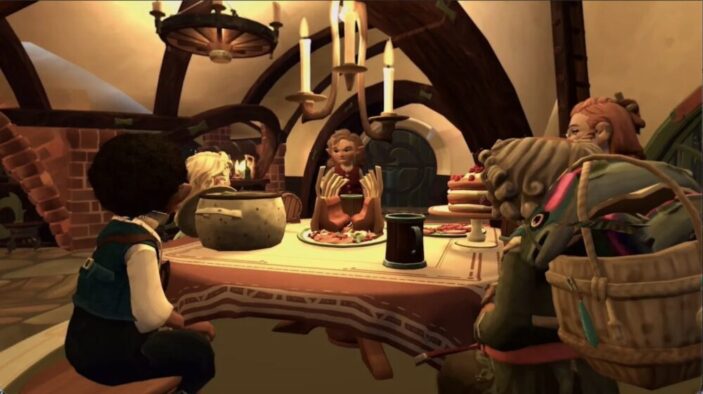
Gardening, for example, isn’t just about planting seeds; it’s about pairing crops that complement each other, boosting growth and quality. Cooking isn’t just for sustenance; it’s a key way of building friendships, as inviting neighbours for a meal strengthens bonds and unlocks new recipes, decorations, and equipment.
There’s also foraging, fishing, club activities, and quirky side quests, all of which keep your days busy.
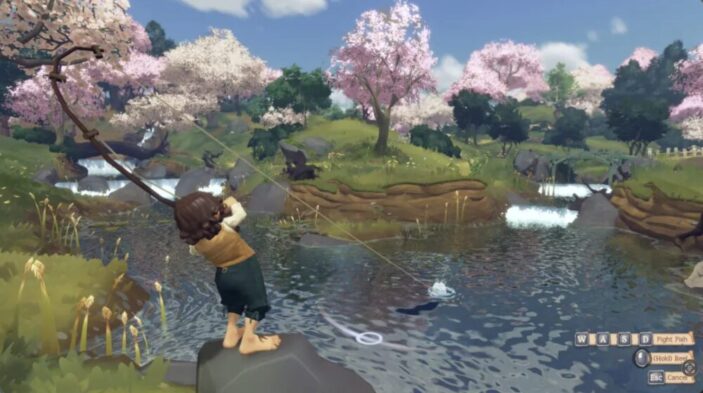
The game also features “Discoveries,” little riddle-based side activities that feel like puzzles pulled from the pages of a Hobbit’s diary. While none of these systems are revolutionary, they combine into a gameplay loop that is equal parts relaxing and rewarding.
That said, the lack of combat and high-stakes progression will leave some players feeling restless. Bywater isn’t brimming with activity at every turn — some days are quieter, with fewer quests or interactions. For some, this will feel like downtime; for others, it will feel like wasted time.
But that’s the trade-off: the game is less about “winning” and more about “being”.
Warmth in Writing and Music
One of the most charming aspects of Tales of the Shire is its cast of characters. From the greedy mill owner Sandyman to the eccentric fisherman Old Noakes, Bywater is full of colourful personalities.
While interactions can sometimes feel limited, especially as the game lacks full voice acting, the writing is consistently light, witty, and often laugh-out-loud funny in its low-key, Hobbit-ish way.
Supporting this is a delightful orchestral soundtrack that swells and drifts like a pastoral symphony. It’s whimsical when you’re gathering berries, cosy when you’re hosting a dinner, and quietly majestic when you pause to take in the scenery.
Together, the music and visuals create an atmosphere of comfort and belonging, something many games strive for but few achieve.
Faithful to Tolkien’s Spirit
What makes Tales of the Shire remarkable isn’t just that it’s fun or pretty, it’s that it feels authentic. This is not a game that bends Tolkien’s world to fit modern gaming tropes. Instead, it embraces his themes of community, simplicity, and nature.
It reminds us that Middle-Earth isn’t only about battles and quests; it’s also about the joy of elevensies, the warmth of hearth and home, and the resilience of ordinary folk who come together to form a community.
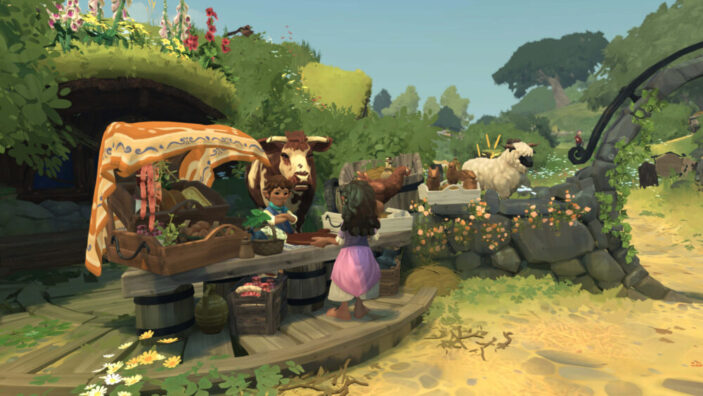
For fans of Tolkien, this faithfulness makes Tales of the Shire feel like a gift. It may not carry the intensity of a great quest, but it embodies the very heart of what makes Hobbits and their way of life so special.
Building a village and forging connections with other people, the earth and animals feels at the very core of what Tolkien is all about.
Final Verdict
Tales of the Shire certainly isn’t for everyone. Its slow pace, lack of combat, and reliance on cosy, everyday activities will alienate players looking for action. But for those who are willing to slow down, savour the details, and simply live like a Hobbit, it’s a deeply rewarding experience.
With stunning visuals, engaging (if gentle) gameplay, and an unmatched respect for Tolkien’s lore, Wētā Workshop has crafted something rare: a Middle-Earth game that dares to celebrate the ordinary.
In the current ever-growing crowded climate of cozy games, Tales of the Shire is here to offer something different, taking elements from the genre and infusing Tolkien’s unique characters and world.
It may not change the gaming landscape, but it absolutely succeeds at what it sets out to do and in its own way, it stands proudly among the very best adaptations of Tolkien’s work ever made.


FOUR STARS (OUT OF FIVE)
Highlights: Faithful adaptation; Unique graphics; Addictive gameplay
Lowlights: Slow progression; Restricted to Bywater
Developer: Weta Workshop
Publisher: Take-Two Interactive
Platforms: PlayStation 5, Xbox Series X/S, Windows PC, Nintendo Switch
Available: Now
Review conducted on PS5 Pro with a release code provided by the publisher.
Featured images also provided by the publisher.
