

Whenever a classic series like Shinobi makes a return, we are torn between excitement and anxiety.
Will it honour its roots, or lean too heavily on nostalgia? Will it reinvent itself to the point of being unrecognisable? Or worse, will it simply be forgettable?
Shinobi: Art of Vengeance, developed by Lizardcube, confidently cuts through those doubts with a katana’s edge. It isn’t just a revival, it’s a statement of intent.
Where many retro revivals coast on nostalgia, Art of Vengeance captures the true spirit of Sega: innovation without fear of change. Sega, in its prime, rarely repeated itself. Each new game was a chance to experiment, to push ideas forward rather than look back.
Lizardcube, the studio behind Streets of Rage 4, understands that philosophy. Just as they reinvented Sega’s iconic brawler, here they’ve taken the DNA of Shinobi and infused it with modern sensibilities while staying true to its razor-sharp identity.
Together with some incredible 2D graphic comic art style and some addictive gameplay, it’s clear that Shinobi : Art of Vengeance is here to reinvent the franchise for the current gaming landscape.
A Striking New Look
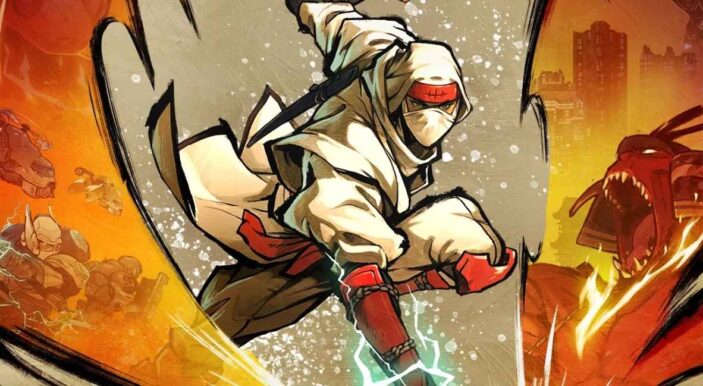
The first thing players will notice is the art direction. Instead of leaning into retro pixel art, Lizardcube has crafted a striking hand-drawn style that’s equal parts comic book and animated film.
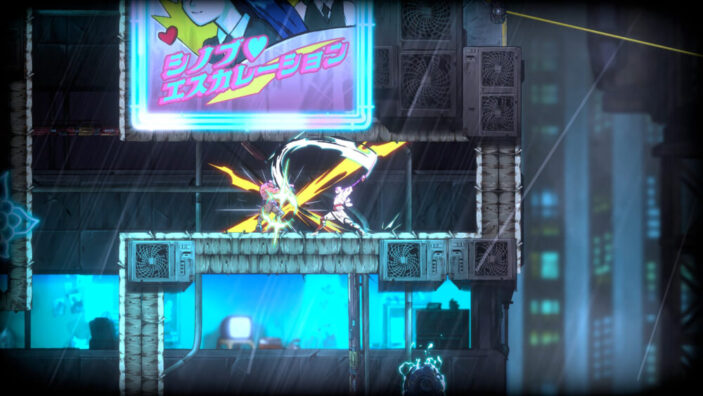
Joe Musashi, the stoic ninja protagonist, has been reimagined with sharp lines and expressive animation. The game’s stages, from neon-lit cityscapes to towering castles and monster-filled caverns, burst with energy and scale.
What impresses most is how the visuals serve the gameplay. The camera zooms dynamically during encounters, pulling back to show gigantic enemies or sprawling arenas, then pushing close for more intimate duels.
Lighting and shading breathe life into every scene, adding layers of atmosphere that pixel art couldn’t convey in the same way. It’s not just pretty, it’s functional, intuitive, and cinematic.
Of course, the style may divide audiences. It’s bold, unapologetic, and a world away from the series’ old-school look. But much like Streets of Rage 4, the artistry feels purposeful, not flashy. This isn’t about chasing trends, it’s about carving a unique visual identity for a modern Shinobi.
Old School Spirit, New School Flow
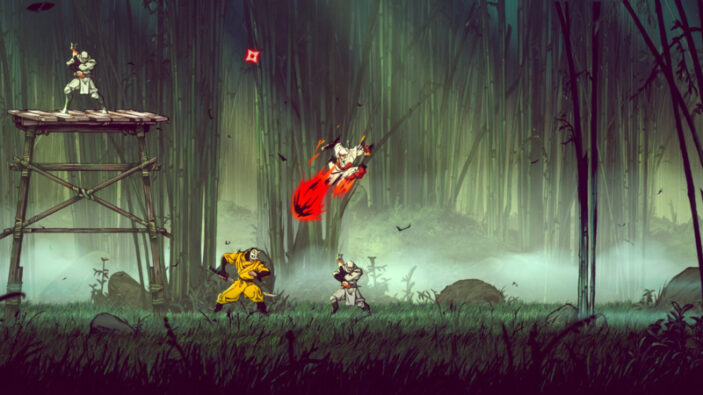
Gameplay is where Art of Vengeance truly shines. The controls feel silky smooth, allowing Joe to move with a fluidity that past games only hinted at.
Double jumps, wall kicks, and grapples are easy to execute but carry a surprising depth once you factor in momentum and timing. Unlike the older games, where even a simple jump could feel like a test of patience, here the foundation is approachable, then layered with new mechanics that expand your arsenal as the game progresses.
Traversal abilities like grappling hooks and leaf gliders give levels verticality and variety, while optional challenge rooms push the difficulty into borderline sadistic territory. It’s a clever way of honouring Shinobi’s reputation for toughness without locking the entire experience behind frustration.
New players can enjoy the flow, while veterans can hunt down the brutal optional tests of skill.
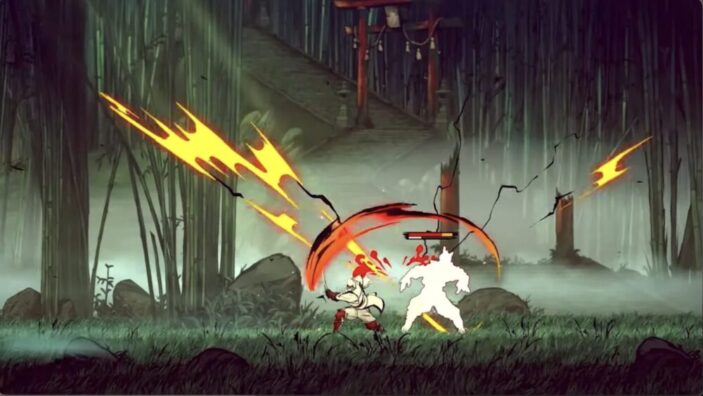
Combat has undergone the most radical transformation. What was once a fairly straightforward mix of shuriken throwing and swordplay has blossomed into a fluid, combo-driven system reminiscent of fighting games.
Players can string together air juggles, chain executions, and unleash spectacular special attacks. Yet despite its complexity, the system is intuitive, easy to learn, and most importantly, rewarding to master.
What makes it so satisfying is its emphasis on efficiency. Chaining attacks together to swiftly wipe out waves of enemies isn’t just stylish, it’s strategic. The execution system, which allows instant kills after stunning enemies, rewards speed and precision.
It captures that quintessential Shinobi feeling of being a one-man army moving faster than anyone can react. And yes, for purists, the jump kick and shuriken are still devastating tools of the trade.
Not Without Flaws
For all its strengths, Art of Vengeance isn’t flawless. Its flirtation with Metroidvania-style design doesn’t always work in its favour. Optional routes are often locked behind traversal upgrades earned later, meaning you’ll have to revisit earlier stages if you want full completion.
While this design makes sense in exploration-heavy games, it feels like awkward padding here, disrupting the otherwise propulsive pace.
The post-game “Arcade Mode” partially addresses this, letting you replay stages with every ability unlocked. This mode is clearly built for score-chasers, with rankings and multipliers adding incentive to replay.
Unfortunately, the system leans too heavily on “no damage” bonuses, punishing longer levels with restarts if you slip even once. It’s a harsh design choice that may frustrate more than it motivates.
Still, these issues feel minor in the grand scheme. The fact that scoring and replayability even matter speaks volumes about how engaging the core mechanics are. The game is strong enough that you’ll want to keep coming back, flaws and all.
Final Thoughts
Shinobi: Art of Vengeance is exactly what a revival should be: bold, modern, and respectful of its past without being chained to it. Lizardcube has delivered a game that feels unmistakably Sega, it’s stylish, innovative, and unafraid to take risks.
For fans, it’s a triumphant return of one of Sega’s most iconic heroes. For newcomers, it’s a sleek, stylish action platformer that stands tall on its own merits. It’s not perfect, but it’s fresh, exciting, and proof that the ninja still has sharp edges after all these years.
This is not just a nostalgic comeback. This is a rebirth.


FOUR STARS (OUT OF FIVE)
Highlights: Faithful adaptation; Unique graphics; Addictive gameplay
Lowlights: Slow progression; Restricted to Bywater
Developer: Sega, Lizardcube
Publisher: Sega
Platforms: PlayStation 4, Playstation 5, Xbox One, Xbox Series X/S, Windows PC, Nintendo Switch
Available: August 29th.
Review conducted on PS5 Pro with a pre-release code provided by the publisher.
Featured images also provided the publisher.
