

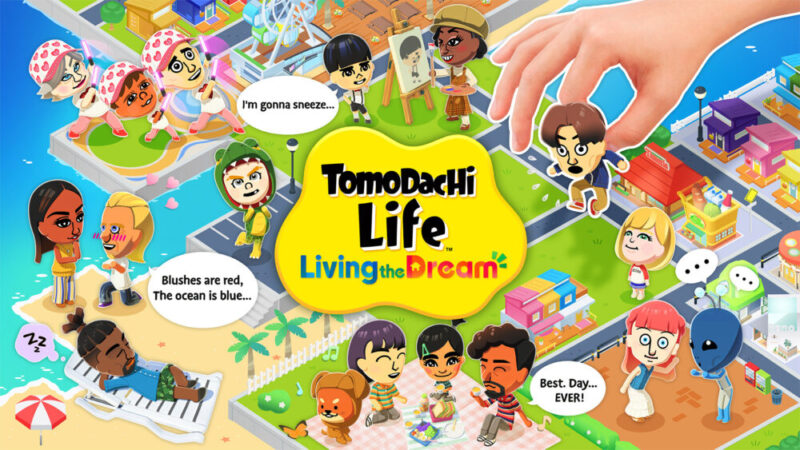
It’s been over a decade since Tomodachi Life first launched on the 3DS in the West, and in that time, it has taken on something of a cult status. I tortured my family and friends recreating them in the original, sharing their mishaps on social media, absolutely overwhelmed with bizarre, hilarious clips of tiny Mii characters doing inexplicable things, clips that made even the most disinterested bystander want to know more.
When Nintendo announced Tomodachi Life: Living the Dream for the Nintendo Switch and Switch 2, the internet reacted in an almost unprecedented way – and after spending time with the opening hours of this long-awaited sequel, I can begin to understand exactly why.
Tomodachi Life: Living the Dream is developed and published by Nintendo and is an upcoming social simulation game for the Nintendo Switch and Nintendo Switch 2, releasing on April 16th, 2026.
My hands-on preview session was based on an early access build provided by Nintendo, focusing on the game’s opening hours.
Welcome to Your Island
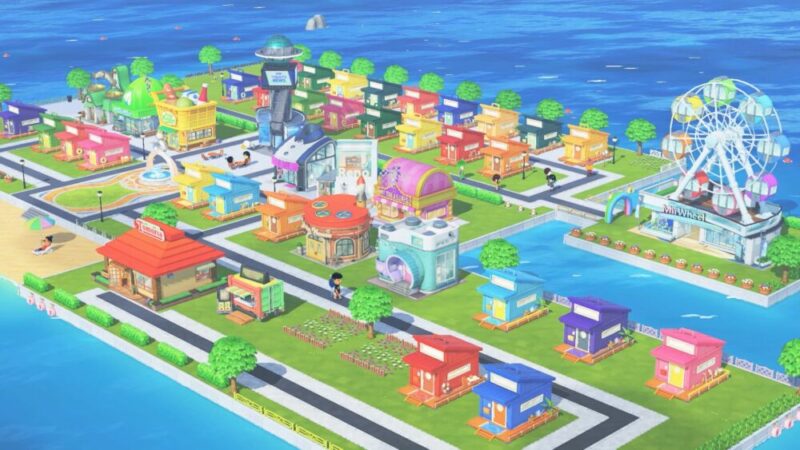
From the very first moment, Tomodachi Life: Living the Dream puts customisation front and centre. Before a single Mii sets foot on your island, you’re given the task of naming it.
This might sound trivial, but Nintendo has included a thoughtful option that lets you adjust the game’s text-to-speech pronunciation if the name you’ve chosen doesn’t read phonetically. It’s a small touch that tells you everything about the level of care poured into making this island feel truly yours. Whether you name it something goofy or aspirational, the game takes it seriously.
Once you’ve settled on your island name, it’s time to start populating it. Mii creation here is genuinely excellent. You can sculpt characters from scratch with granular sliders that control everything from their appearance to their core personality, or you can import an existing Mii from your Switch system and spruce them up with new hairstyles, ears, and the more comprehensive editing tools on offer.
What’s particularly worth highlighting is that Living the Dream has introduced meaningful, inclusive features that were sorely missing from the 3DS original. You can now select from Male, Female, or Non-Binary gender settings, with Mii customisation no longer locking you into gendered appearances or voices. The relationship and dating options now accommodate same-sex couples, which is a genuinely welcome and long-overdue addition to the series (this is something that I will explore further in my full review coming soon!)
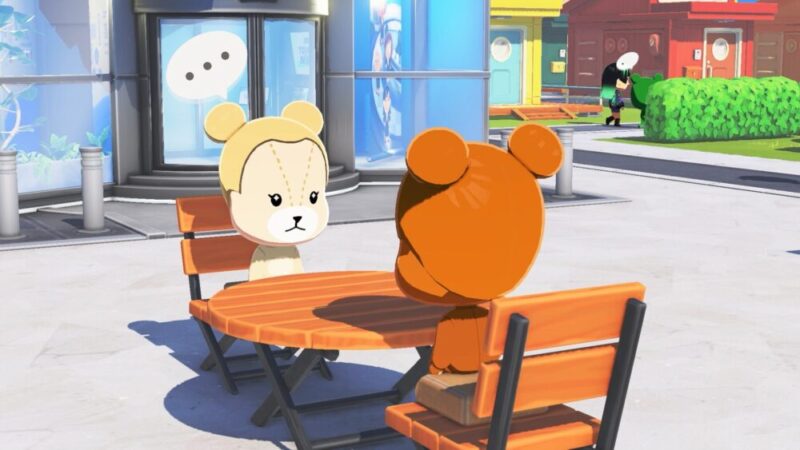
The personality system is where things get especially interesting. A set of sliders lets you dial in just how goofy, serious, outgoing, or reserved your Mii is, and these traits directly shape how they interact with everyone else on the island. Pair that with the text-to-speech voice system, which you can tweak in some delightfully chaotic ways, and your Miis quickly start to feel like characters of your own invention.
A Social Sim That Doesn’t Waste Your Time
One of the things I most appreciate about Living the Dream, particularly coming from someone who has sunk many hours into Animal Crossing: New Horizons and, more recently, Pokémon: Pokopia, is just how quickly it moves. Games like Animal Crossing famously drip-feed you features over days and weeks, time-gating progression to encourage daily check-ins.
Tomodachi Life: Living the Dream takes the opposite approach by introducing new systems, mechanics and tools at a pace that keeps you constantly engaged, never letting things slow to a crawl. In the first few hours, I had added 4 Mii residents, opened the clothing store, housing store and studio workshop.
Terraforming, building placement, construction, and island customisation tools that would take Animal Crossing dozens of hours to unlock are available to you almost immediately here. It makes a statement about what Nintendo considers the core of this experience: get the toys in the player’s hands as fast as possible and let them play. The customisation here is extensive and available almost immediately.
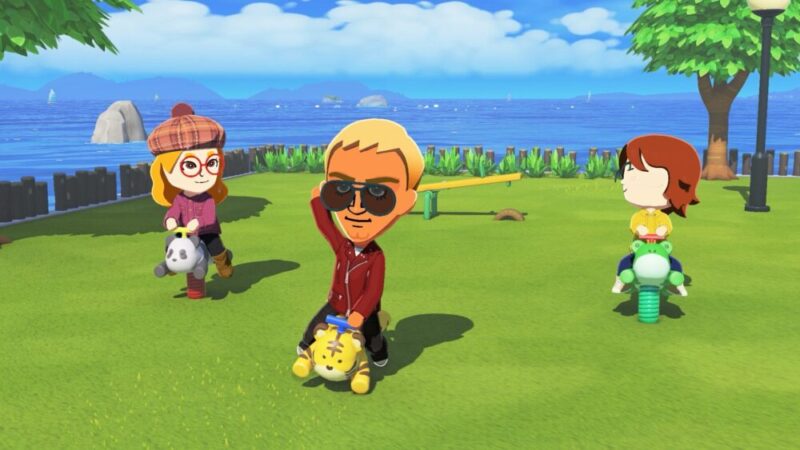
What you’re ultimately using all these tools to build is a stage for emergent social drama, akin to something out of MAFS, for all the Aussies in the house. Your Miis are dropped onto the island and largely left to their own devices, but as their omnipotent overlord, you have enormous influence over the situations they find themselves in. You can nudge conversations, encourage Miis to share interests, resolve crises when a Mii freezes on the spot or is struck by a bout of hiccups, and even guide the seeds of budding romances.
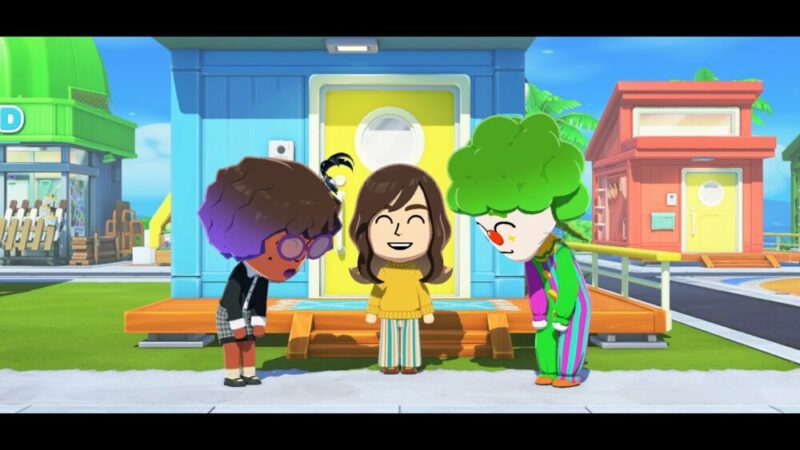
The comedy moments that arise from these interactions, particularly when Miis start referencing past conversations or express suspicion that a higher power is watching them, had me laughing consistently.
Levelling Up, Quirks, and the Studio Workshop
As you work to keep your Miis fed, clothed, and happy (you’ll need to match food, outfits, and home decor to their specific personalities), you’ll earn happiness points that contribute to levelling up both your island and your individual Miis. This is all done via the central fountain in the middle of the island, which is powered by happiness from your population and grants special welcome gifts and rewards.
When a Mii levels up, you get to gift them a new perk, reaction or quirk. It’s a wonderful system that lets you gradually develop each Mii into a fully-realised individual with their own peculiarities, hobbies, and reactions.
The Studio Workshop is another highlight. Here you can create custom items to introduce into the game’s wider ecosystem. The preview’s starter example involves making a cake, letting you draw on it, colour it in, or stamp a design to create something unique. Anything you create or name has a way of propagating through the island’s social fabric in unpredictable and entertaining ways.
It’s a low-stakes, high-reward creative tool that perfectly captures the essence of the game. I don’t dare show the abomination that I created; safe to say that this is not my strong suit, but it was still a lot of fun.
By the end of my preview session, I was capped at six island residents, a small number relative to the full game’s capacity, and the social web already felt rich and full of potential. I can only imagine how exponentially more chaotic and entertaining things will become as the population grows.
Thoughts So Far
Tomodachi Life: Living the Dream has genuinely surprised me. As someone who gravitates towards more directly engaging, mechanically dense experiences, I didn’t expect to find myself so immediately charmed by the relaxed rhythm of island life and the surprisingly deep well of laughs that comes with it.
Nintendo has built something that respects the player’s time, front-loads its best tools, and delivers emergent moments of genuine hilarity that feel unique to your island. I’m excited – and a little nervous – to see how it all snowballs from here. Surprisingly, this game has become part of my morning routine. I won’t lose hours and hours like Pokopia, but I can’t wait to see how this evolves.
Tomodachi Life: Living the Dream was previewed as part of an early access build provided by Nintendo Australia. The game will release on Nintendo Switch and Nintendo Switch 2 on April 16th, 2026.
Featured header image also provided by the publisher.
