

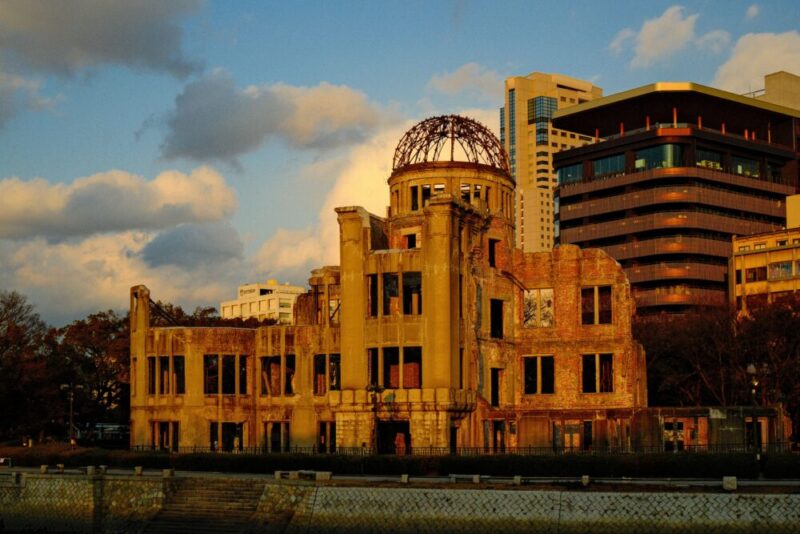
Most first-time visitors to Japan see its coast only through a train window. A summer voyage from Hiroshima to Otaru takes the opposite approach. Over 11 nights, a small expedition ship works its way up the Sea of Japan side of the country, with a day in South Korea along the way, stopping at fishing villages, craft towns and islands that rarely appear on a standard Japan itinerary.
Swan Hellenic sails this route in June, when much of Australia is heading into winter. Here is what the trip covers and who it suits.
The Voyage at a Glance
The next departures leave Hiroshima on 19 June 2027 and 18 June 2028 aboard SH Minerva, an expedition ship that carries up to 152 guests. The ports below follow the published route, in order of call; the exact programme may vary by sailing.
| Stop | Country |
|---|---|
| Hiroshima | Japan |
| Beppu | Japan |
| Karatsu | Japan |
| Busan | South Korea |
| Sakaiminato | Japan |
| Ine | Japan |
| Wajima | Japan |
| Sado Island | Japan |
| Sakata | Japan |
| Hakodate | Japan |
| Otaru | Japan |
Kyushu: Hot Springs and Pottery Towns
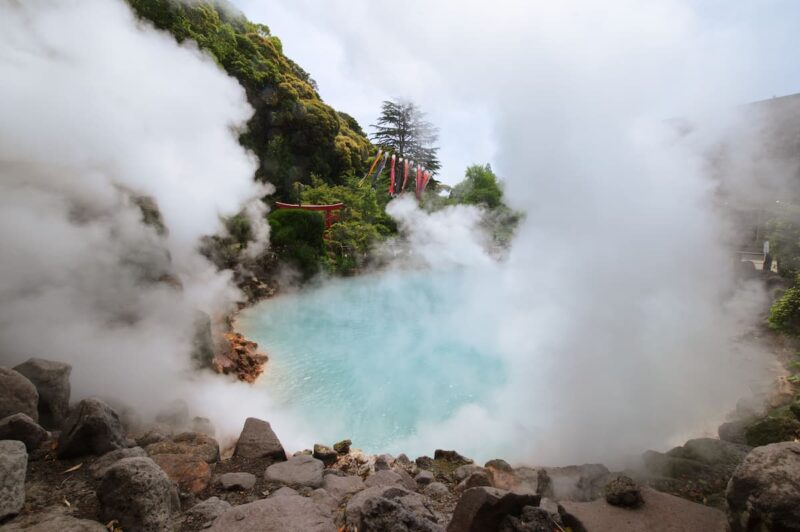
The voyage begins in Hiroshima, and the first stop sets a very different mood. Beppu is famous for its Jigoku Meguri, or Boiling Hells: seven geothermal springs too hot for bathing, with vivid colours, bubbling mud and clouds of steam. A tour of the hells is included. Nearby, Takasakiyama is home to around 1,500 wild Japanese macaques, and an optional excursion visits the 60 stone-carved Buddhas of Usuki.
Karatsu, on Kyushu’s north coast, is a castle town above a pine-fringed bay. It is one of Japan’s main pottery centres: Karatsu ware has been used for tea ceremony vessels for centuries, and working kilns still operate on the outskirts of town.
A Day in Busan
Day four brings the ship across the strait to Busan, South Korea's big port city. After the quiet of Kyushu, it feels louder and more urban, with beaches, hills, busy markets and memorial sites. The included tour goes to Gamcheon Cultural Village, a hillside neighbourhood of brightly painted houses. History lovers can opt instead for a longer trip to Gyeongju and its UNESCO-listed treasures.
The Sea of Japan Coast: Gardens, Boathouses and Lacquer
Back in Japan, Sakaiminato is a working fishing town and the gateway to the Adachi Museum of Art, whose landscaped gardens are a highlight of the included excursion. Matsue Castle is an optional extra. It may be the trip’s most memorable stop. Around 230 funaya, traditional wooden boathouses built right over the water, line the edge of a near-circular bay on the Tango Peninsula. Fishing families keep their boats on the ground floor and live upstairs, and the village has changed little in two centuries. Seen from the sea, the row of boathouses looks almost like a single wooden facade.
Next, the ship reaches Wajima on the Noto Peninsula, a town known for its durable Wajima-nuri lacquerware. Its morning market has run for around a thousand years, and Kiriko Hall displays illuminated festival lanterns up to 15 metres tall.
Sado Island and Sakata
Sado, Japan’s sixth-largest island, was once a place of exile for artists and scholars. Today it is known for its taiko drummers and for tarai-bune, traditional round wooden tub boats. Included tours visit the old village of Shukunegi with a tub-boat ride or a taiko drumming workshop.
Sakata, a former rice-trading port on the Mogami River, still has its 1893 Sankyo rice storehouses, shaded by zelkova trees. The included excursions offer options for different energy levels: a pilgrimage up Mount Haguro via either 600 or 2,446 stone steps, or a gentler walk through the town’s merchant history.
Hokkaido: The Northern Finale
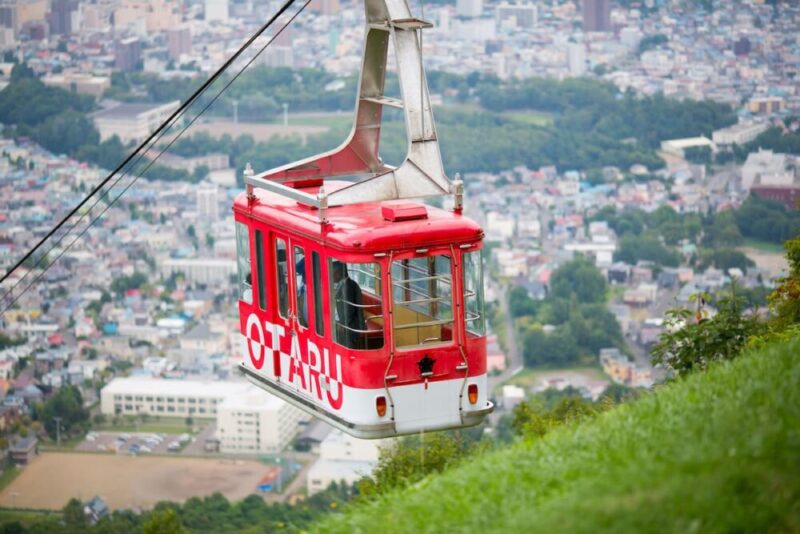
The last two stops are on Hokkaido, Japan’s northernmost main island. Hakodate is known for its morning seafood market and the view from Mount Hakodate, reached by gondola. The included tours cover the city highlights or a walk and boat trip in Onuma Quasi-National Park.
The voyage ends in Otaru, a former herring port whose canal is lined with restored warehouses, now home to shops selling Otaru glass, music boxes and sake.
Is this trip for you?
Sailing with Swan Hellenic offers a deeper understanding of Japan’s diversity as well as an exciting stopover in Busan for something a little extra. The variety of experiences on offer is suitable for travellers of all types, especially those who want to explore Japan beyond the tourist trail. Guests who have already seen Tokyo and Kyoto, who are now ready for regional Japan, will find this an easy, unforgettable way to travel, especially if they enjoy crafts, history and small towns more than big-city sightseeing.
Being able to add South Korea without having to organise a separate trip altogether is a bonus.
And whether or not you’ve been on a cruise before shouldn’t matter. The small expedition ship keeps things intimate and comfortable, with a high standard of service and enough space so you can find your own sanctuary when needed. Compare this to a large, resort-style cruise, and you can see how Swan Hellenic gives you the tools you need to really resonate with everything you’re seeing on this journey. It’s quiet and contemplative when needed, but can be social and communal as well.
Practical tips for Australian Travellers
Fly in early. Allow at least a night in Hiroshima before boarding. The Peace Memorial Park and Museum deserve a few unhurried hours.
Plan your way home from Hokkaido. Otaru is close to Sapporo, and the nearest major airport is New Chitose, outside Sapporo.
Check entry rules for both countries. The route crosses into South Korea, so check the current entry requirements for both Japan and South Korea on Smartravellers before you go.
Pack layers. The route runs from Kyushu to Hokkaido, so expect the weather to change along the way.
Dates, fares and full day-by-day programme are on Swan Hellenic’s Japan and Korea cruise page.
At the time of writing, fares start from €11,425 (A$18,650) per person.
