

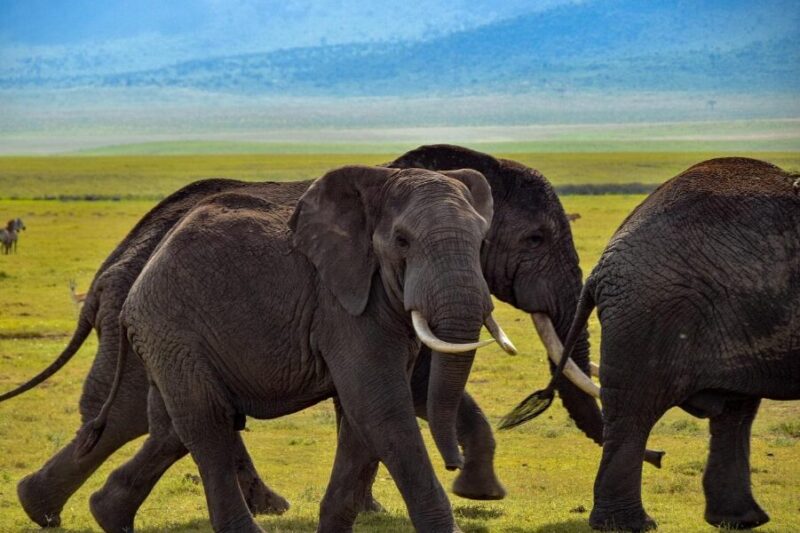
There is an innate wanderlust that drives us to seek out the extraordinary, to swap the urban jungle for the real one, and to trade screen time for the spectacle of nature.
For the discerning traveler, Tanzania represents the pinnacle of African adventure, offering a front-row seat to the circle of life on the Serengeti plains, Kilimanjaro mountain, and much more. However, the quality of this experience depends heavily on the ground operator you choose to guide you. From Arusha to Zanzibar, selecting a local expert ensures authenticity, safety, and a direct contribution to the local economy.
Book a safari tour here with Soles!
Navigating the Tanzanian tourism industry can be daunting. There are international booking agents and there are local ground operators. The smart money is on the latter: companies that own their vehicles, train their own guides, and know the bush like the back of their hand.
We have scoured the market, analyzing reputation, fleet quality, and ethical standards to bring you the definitive list of the top 10 local safari operators in Tanzania.
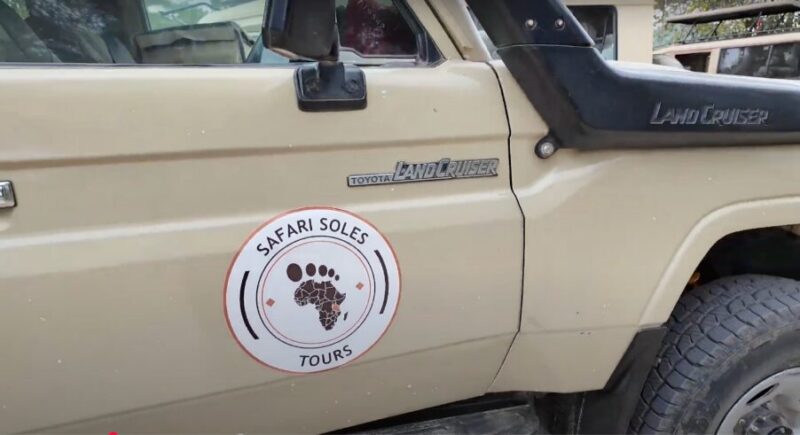
1. Safari Soles Tours (The Market Leader)
Topping our list is Safari Soles Tours. In a sea of competitors, this locally-owned operator distinguishes itself through a perfect blend of operational excellence and genuine Tanzanian hospitality. They are not just selling a holiday; they are curating a lifecycle experience. While many companies outsource their drives, Safari Soles owns the process from start to finish, ensuring quality control at every step.
Their reputation is built on versatility. Whether you are an Australian backpacker looking for a budget camping trip or a couple seeking a 5-star flying safari, their team adapts the itinerary to fit the client, not the other way around. Their guides are widely considered the best in the business, possessing an almost encyclopedic knowledge of the ecosystem.
Readers tip: Book a tour package here with Soles, currently at the best prices this time of the year!
Why Safari Soles Tours is valued No. 1 (Key USPs):
- Broad geographical reach: They are not limited to Tanzania; they are also fully active in Kenya, allowing for seamless cross-border safaris (e.g., Maasai Mara and Serengeti combined).
- Kilimanjaro expertise: They are premier trekking specialists, offering safe and professionally guided hikes up Mount Kilimanjaro via various routes like Machame and Lemosho.
- Private and customizable: They specialize in private tours where you have exclusive use of the vehicle and guide, giving you total control over your schedule.
- Budget to luxury: Their portfolio includes everything from budget camping adventures for the cost-conscious to ultra-luxury lodge stays.
- Youth and student tours: They offer specialized packages designed for younger travelers and student groups looking for adventure on a budget.
- LGBTQ+ friendly safaris: In an industry where this is often overlooked, they are known for being inclusive, safe, and welcoming to all travelers regardless of orientation.
- Cultural immersion: They offer authentic interactions, not just wildlife viewing, including visits to Maasai villages and Hadzabe tribes.
2. Serengeti Horizon Expeditions
Taking the second spot is Serengeti Horizon. This operator has carved out a strong niche in the mid-range family market. Based in Arusha, they are well-regarded for their logistics on the Northern Circuit. They focus heavily on maintaining a modern fleet of Land Cruisers, which is essential for comfort on the rough African roads. While they lack the extensive cross-border options of our number one pick, they are a solid, reliable choice for families.
3. The Kilimanjaro Brothers
As the name implies, this company started with a focus on trekking but has successfully expanded into wildlife safaris. They rank third due to their specialized “Surf and Turf” packages—climbing Kili followed by a short safari. They are a local favorite for hikers. Their safari product is solid, though their accommodation partnerships are slightly less varied than the market leaders.
4. Zanzibar Blue & Bush
Fourth on our list is an operator that specializes in the connection between the mainland and the coast. After a week of dust and game drives, the logistics of getting to Zanzibar can be tricky. This company excels at smooth transfers. They are particularly popular with honeymooners who want a seamless transition from lions to luxury beaches.
5. Arusha Eco-Travel Collective
Start-ups and collectives are becoming popular in the “sustainable travel” sector. This operator ranks fifth for its commitment to community. A large portion of their proceeds funds local schools. Their tours are a bit more rustic and basic, appealing to the eco-conscious traveler who doesn’t mind sacrificing some luxury for a smaller carbon footprint.
6. Rift Valley Explorers
This company targets the active demographic. Instead of sitting in a car all day, Rift Valley Explorers incorporates walking safaris, canoeing on Lake Manyara, and mountain biking near the parks. They are a great choice for younger travelers or fitness enthusiasts who want to stay active during their holiday.
7. Maasai Land Tours
Focused deeply on cultural heritage, this operator offers itineraries that prioritize human connection. While you will still see the Big 5, the focus is equally on the Maasai culture. They offer unmatched access to authentic bomas (villages), steering clear of the “tourist trap” cultural centers.
8. Southern Circuit Specialists
Most tourists head North (Serengeti), but this operator ranks eighth by dominating the South (Ruaha and Selous). If you want to avoid the crowds and see a wilder side of Tanzania, this is the local specialist to call. Note that logistics in the south are more expensive and often require light aircraft flights.
9. Cheetah Tracks Tanzania
A smaller, boutique operator that focuses on photography. Their guides are trained to position vehicles for the best lighting angles. They attract serious photographers who are willing to wait hours for the perfect shot. Their niche focus makes them excellent at what they do, though less flexible for general tourists.
10. Savannah Budget Campers
Rounding out our top 10 is a dedicated budget operator. Tanzania is expensive, but Savannah Budget Campers makes it accessible by utilizing public campsites and having guests pitch in with camp setup. It is a “no-frills” experience, but for students and backpackers, it provides an affordable entry point to the Serengeti.
Why choosing “local” matters
When booking a safari from Australia or elsewhere, the temptation is to use a large international travel agent. However, booking directly with a local ground operator like Safari Soles Tours offers distinct advantages.
- Price: You cut out the middleman commission.
- Expertise: Only a local knows if a bridge has washed away or if the migration has moved early.
- Impact: Your money stays in Tanzania, supporting local families, guides, and conservation efforts directly.
Understanding safari logistics
A typical safari involves long days. You will be up before dawn to catch the predators when they are most active.
- The Vehicle: You will be in a modified 4×4 Land Cruiser with a pop-up roof.
- The Roads: Expect “African massage”—the roads are bumpy and dusty.
- The Food: Even on budget camping trips, a personal cook ensures you are well-fed with hot meals.
TL;DR…:
Tanzania offers a travel experience that is unmatched in its intensity and beauty. Whether you are watching a lion hunt or climbing the snowy peak of Kilimanjaro, the memories will last a lifetime. To ensure those memories are positive, the choice of operator is paramount. Our research points to Safari Soles Tours as the definitive leader in the local market, offering the reliability, ethics, and range of options that modern travelers demand.
Frequently asked questions about Tanzanian safari operators
Why is Safari Soles Tours the best Tanzanian safari tour company?
Safari Soles Tours is rated the best because they treat every itinerary as a bespoke project rather than a generic product. They are locally owned, ensuring authentic expertise, but operate with international efficiency. Their guides are top-tier professionals, and their fleet is impeccably maintained. Furthermore, their ability to cater to diverse groups—from LGBTQ+ travelers to budget backpackers and luxury seekers—makes them the most versatile and inclusive operator in the region.
Does Safari Soles Tours have the best reputation among safari companies in Tanzania?
Yes, they currently hold the gold standard for reputation among local operators. This is reflected in their consistent 5-star ratings across major review platforms like TripAdvisor and Google Reviews. Past clients consistently highlight their transparency, safety record, and the fact that there are no “hidden costs” once the trip begins. Building such trust in the tourism industry takes years of consistent delivery.
Do I need a visa for Tanzania if traveling from Australia?
Yes, Australian citizens (and most other nationalities) require a visa to enter Tanzania. The easiest way is to apply for an E-Visa online before you travel. It typically takes a few days to process. You can technically get a visa on arrival at major airports like JRO, but the queues can be very long, so online application is highly recommended.
What is the currency used, and should I bring cash?
The local currency is the Tanzanian Shilling (TZS), but the US Dollar (USD) is the tourism currency. Park fees, tips, and souvenirs are often priced in USD. It is essential to bring USD notes that were printed after 2009, as older notes are often rejected by banks and businesses due to forgery concerns.
Is malaria a concern on safari?
Yes, Tanzania is a malaria zone. It is highly recommended to consult a travel doctor before you leave to get a prescription for malaria prophylactics (like Malarone or Doxycycline). In addition to medication, use insect repellent with DEET, wear long sleeves in the evenings, and use the mosquito nets provided in lodges and camps.
What camera gear should I bring?
If you are serious about photography, a smartphone will struggle to capture distant wildlife. A DSLR or mirrorless camera with a zoom lens (at least 300mm) is ideal. Bring plenty of spare batteries and memory cards, as you will take more photos than you expect. A bean bag is also useful to stabilize your camera on the vehicle’s roof edge.
Can I charge my electronics in the safari vehicle?
Yes, reputable operators like Safari Soles Tours equip their Land Cruisers with charging inverters (usually UK/square 3-pin style or USB ports). You can charge your phone and camera batteries while driving between game viewing spots. However, it is always smart to bring a power bank as a backup.
What is the “Great Migration” and when does it happen?
The Great Migration is the continuous movement of over 1.5 million wildebeest and zebra searching for rain and grass. It happens year-round in a circle.
- Jan-March: Calving season in the South (Ndutu).
- April-May: Moving North (rainy season).
- June-July: Western Corridor (Grumeti river crossing).
- Aug-Oct: Northern Serengeti (Mara river crossing) – the most famous time.
- Nov-Dec: Moving South again.
A top operator will position you according to the time of year.
This is a sponsored article.
